You break off a piece of your sandwich, and your dog looks at you with those big eyes of his while you eat it. You give in. Again. We've all been there. But if that scale is showing you that your pup has gone from "cuddly" to "concern," a treadmill might be in order. But the best pet treadmill for dogs isn't a device. It's a step in the right direction, and that step should be made in the vet's office, not the online shopping cart.
Prioritizing the Vet Visit
Forgoing this step is like hitting the road at night without your headlights. It may get you somewhere, but it won't be pretty.
Additional pounds put strain on joints, hearts, and lungs. Some overweight dogs may have underlying conditions that exercise could trigger. Your veterinarian can screen for arthritis, heart disease, breathing issues, and other conditions that might impact how much movement is appropriate.
This is also the deeper issue. Why is your dog heavy to begin with? Excess food is a factor, but there could also be a medical condition, like a hormone imbalance, that needs to be addressed. Exercise alone won't heal that.
Then schedule the appointment. Consider this the pre-flight check before you take off.
Questions to Take to the Appointment
Walk in with a list. A busy vet is in a rush to see you and the moment the door to the exam room closes, your brain will suddenly forget everything.
What's the perfect weight for my dog? Get a real goal, not a loose "just a touch lower.".
Can I exercise my dog on a treadmill? That's an easy yes or no answer.
What speed, duration and frequency should I begin at? Your veterinarian is probably as well acquainted with your dog's body as any of the articles you read online.
Should I stay off slopes? Yes, many vets recommend, initially, because tilts compress joints.
What is a red flag for me to stop? A sense of things to look for such as panting, gagging, limping, and fatigue.
What about a change to diet? Exercise without change to diet is rarely effective. Inquire about size of meals, treats and food type.
When should we recheck? We weigh in regularly to keep everyone honest.
Joints, Hearts, and Hidden Trouble
Let's be honest. Heavy dogs struggle a little more with each step.
Joints get a pounding. Hips, knees, elbows all work hard and overweight pets are prone to arthritis. A treadmill is gentle on the joints if used carefully, because the treadmill is flat and you set the speed. But a badly controlled walk can have the opposite effect.
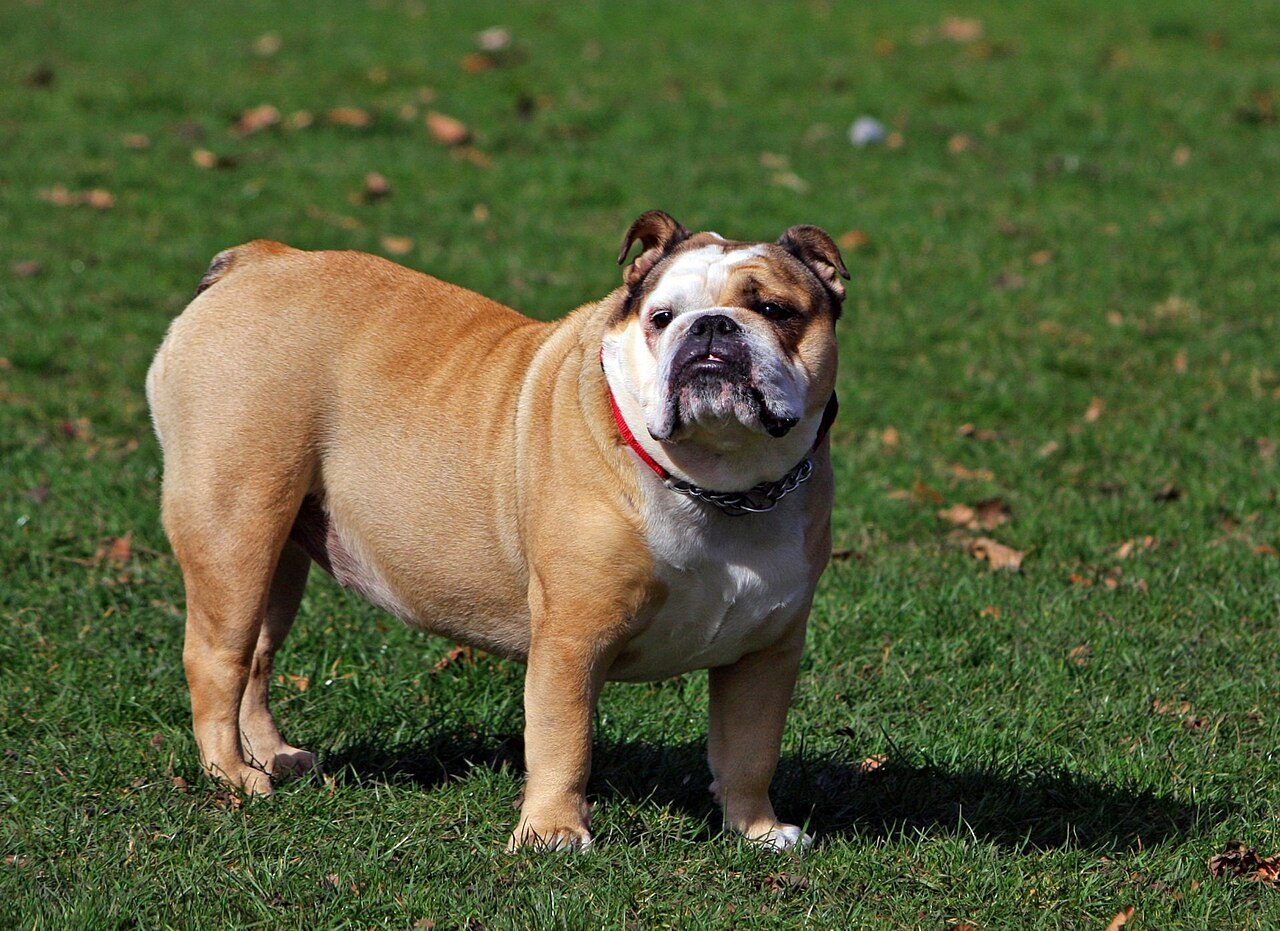
Hearts and lungs count as well. Canines with breathing problems, including flat faced breeds, get too hot and tire out faster. Your vet might opt for brief, gentle sessions or tell you to cut out some conditions altogether.
Don't guess A confident guess by a friend at the dog park is still a guess.
What to Look for in the Machine
When cleared by your vet, shop with a firm list.
Weight capacity. The weight of your dog must be supported by a frame rating well in excess of its weight. A machine that moans under weight is dangerous.
Lack of endurance. Steady, gradual progression – even a crawling pace – should be the goal for overweight dogs.
Cushioned belt. A little flex below each step reduces joint jarring. Say no to solid decks.
Non-slip surface. Heavy dogs can slip badly. Texture is your friend.
Poor lighting. On a dark rainy day, a well-lit platform is soothing. Lighting.
Hard side panels. Keep paws and tails from slipping through the cracks.
Stop now. Absolutely imperative. Use a magnetic key, tether or large button to get the belt to stop immediately.
Quiet motor. A dog's a lot more relaxed when he's relaxed. Noise creates tension.
Starting Slow Means Starting Smart
You are motivated, your dog is eager and so you want to get that action. So you give it twenty minutes in the first session. Not good.
Start with five minutes. Maybe less. Have your dog walk with you at a slow pace. Play with them. Finish on a high note.
It's like having a sip of water at the end of the day rather than gulping a gallon. Shorter bouts of exercise will help prevent fatigue and joint strain. Over a few weeks, you can increase the length a little if your vet approves.
Let consistency be your guide. Five simple minutes daily is more powerful than one heroic outing on Sunday that leaves your pup with a limp on Monday.
Observe the Non-verbal Cues
Your dog can't say, "I'm tired." But they'll let you know.
Heavy, fast panting. Falling behind. Trying to step off the treadmill. Excessive lip licking. Any or all of those things equal time to take a break.
Take note after the session too. A dog that appears to be limp, stiff or sore in the hips or thighs and reluctant to move the next day is likely to have been overdone. Dial back and alert your vet.
Don't overheat the room. Provide plenty of water. An overweight dog will create more heat than an underweight one, and heatstroke can be quickly fatal.
Food Matters More Than You Want It To
Sorry. Nobody likes this part.
A treadmill will burn calories, but a high-calorie diet can burn them all in a matter of seconds. A couple of biscuits could be enough to balance out a full workout.
Plan feeding with your veterinarian. Use a real measuring cup (don't just guess with an optimistic scoop). Make treats count as part of the daily calories. Replace those high-calorie "good job" treats with some dog-appropriate veg, as per your veterinarian, or a portion of your dog's daily food for training.
And what about when family members hide food? Gather the whole family together. Dogs are experts at schmoozing.
Stress-free Treadmill Training
Let the dog get used to the machine. Start with the machine off. Allow the dog to smell, walk onto and apply pressure to the box. Allow your dog to take a reward from the box.
Start at the slowest when you power up. Stay near. Keep your voice warm and steady. Don't restrain your dog or push the pace.
Don't leave your dog unattended on the belt. Not for a phone call, not for a door bell. If a dog tips over or freaks out, they can fall hard and hurt themselves.
If your dog loathes the machine, don't force it. Speak to your vet about other options, such as short, flat walks or swimming, which are easy on joints.
Track Progress Without Obsessing
Weigh your dog at regular intervals specified by your veterinarian. Keep a written record of all the results. Capture images of the dog standing to the side and from above because transitions in the outline are more noticeable before the bathroom scale.
Reward small victories. Whether a dog goes a little further, breathes a little better, or jumps onto the couch a little easier, that's all progress.
Progress won't be linear. Progress may seem to pause at times. But progress takes time. Slow and steady wins the race, as the tortoise beat the hare.
Stick to the program, keep your vet posted and your dog will reward you with tail wagging and bouncing.