So, when searching for the best pet treadmill for dogs you may get caught up comparing the motors, the belts, and the cost. Rarely does anyone measure the stuff in the box. And that is when you end up with a shiny new device shoved up against a radiator, a dog who is terrified of it, and a husband who is asking hard questions. Space is a safety feature, a comfort feature, and a sanity feature. Let's measure it, right?
Begin With the Footprint Instead of the Image
Product photos deceive you. They're taken in large, spacious spaces and always use a wide-angle lens, so the equipment appears smaller than it really is. Take the listed length, width, and height from the spec sheet. Then write them down.
Here's a simple cheap tip. Take some sheets of cardboard, or painter's tape and mark off the precise footprint on the floor. Then just walk in it. And plant your feet where you're going to be working out. Is it a closet or a gym? Ten seconds.
Height also matters. There are console, canopy and raised handrail models. If your dog is tall and the ceiling is low or a light hangs down, it can look a little strange.
Open Space Posterior to the Belt
That back of the treadmill is the most important part-and it's what everyone overlooks. A tired, slipping, or plain out of motivation dog will slide right off the back. If there's a wall six inches away, that dog has nowhere to go.
Always leave a minimum of three feet behind the back of the machine. For a large breed I would suggest six or more. Consider it a runway for your dog to leave, stop, gather himself together and shake it off like he never left it. Dogs require dignity.
Another drawback of a cluttered back end is the more you spend on making a mess, the more your belt will kick dirt, fur, and the occasional dropped treat into whatever is behind it.
Allow Space on the Sides
You are there, also. You want to supervise from the side of the belt and you need elbow room to do that. If you put one side of the dog on the sofa, then you've lost the ability to supervise, to reach the stop button, or scoop up the smaller dog in a pinch.
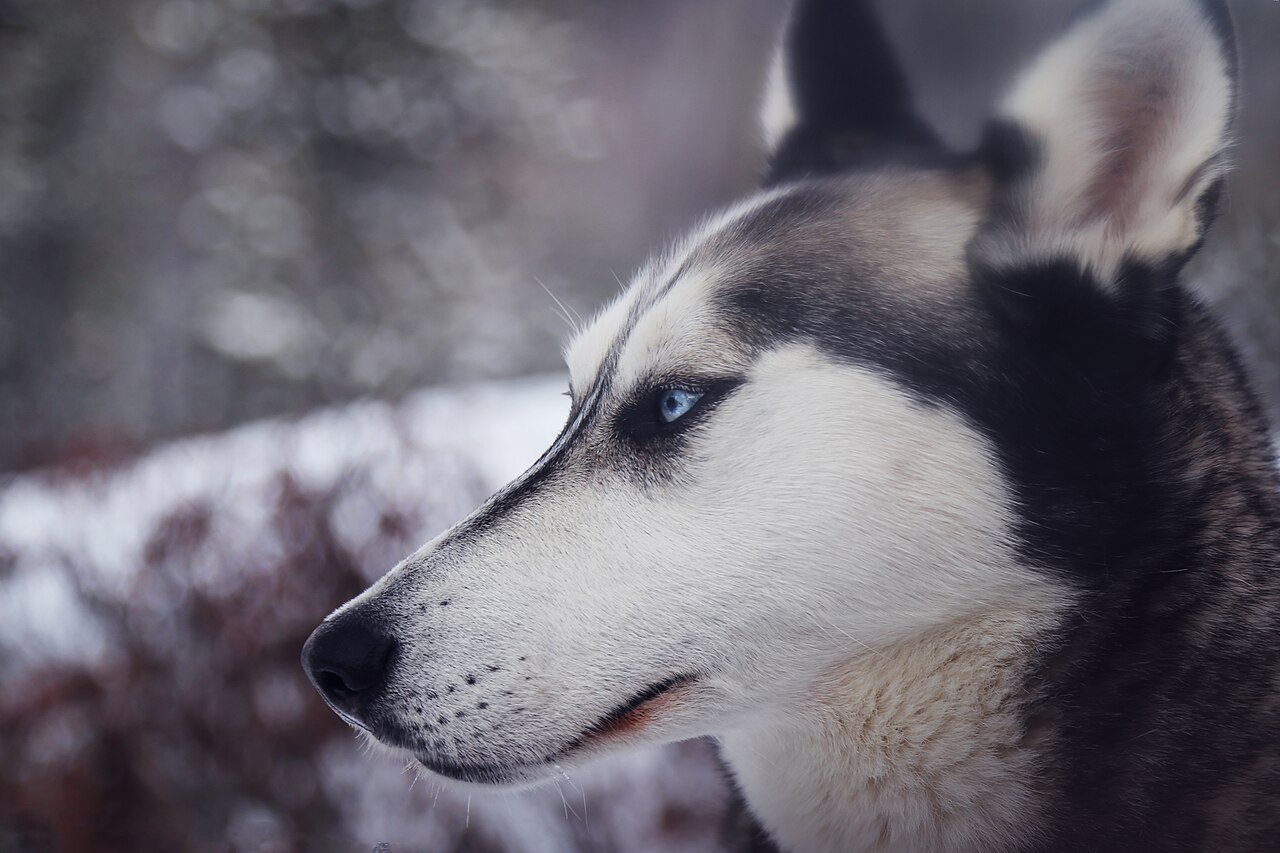
At least two feet on each side, on all sides, is a good goal. Go further if you can when you're training and you'll be leaping, hollering, and slipping treats to your dog. Another friend tried to train her Husky from a space that was a bit more than the width of a bookcase and she left with a backache. Her Husky was fine. Naturally.
Without side panels, that space is the bumper! Even a dog that runs wide will hit empty floor, not a table leg!
Consider the Front
The front is where the dog looks. If it faces a blank wall some dogs get claustrophobic. If it faces a glass door and a busy street, others become furious sentinels. Both miss the point.
Give a few feet in front of the conveyor belt so the dog can see what's coming. Something that is visually soothing: corner of a room, far-away empty wall, or window with blinds pulled down half way. If your dog loves a specific toy or treat bowl, position that where he can see it without grabbing it.
Have a power outlet close by but not directly in the path. Loose cords across the floor are a hazard. Run them along the wall and tape them in.
Count the Entry and Exit Path
How does your dog access? If your cart has a ramp or step, you need even more space for a better entrance. A ramp that leaves you less than two inches from a door frame is just asking for trouble. With a large dog, the simpler the better because they aren't known for their sharp cornering skills.
Try the path yourself. Pretend you're a frightened, eighty-pound dog. Can you come in without knocking over a chair? Can you go out without sideswiping a lamp? If the answer is no, move the furniture, not your expectations.
Match the Space to Your Dog's Size
A pocket-sized terrier and a mastiff don't need the same acres. Small dogs can go out to less margin but safety zones still matter. Big dogs need more than the space of the average living room corner.
Top tip: chest to rump measure your body length and double it behind the belt and leave a comfortable stretch on either side. If your dog has a panic and darts, a bigger body needs a bigger landing zone. It's physics with a wagging tail.
Giant breeds may require a space of their own, like a garage or spare room. It's not excessive. It's less costly than a vet bill.
Safeguard the Floor and Cut Down on Noise
Floors take a beating from a running machine. Hardwood will scratch, thin carpet heats up from the motor, and tile transmits vibration. Invest in a thick rubber mat. Select one that provides a landing spot larger than your machine to serve as a nonslip landing pad.
Down the hall, down the block or, in this case, across the hall, when that treadmill hits high speed – all hell breaks loose and your downstairs neighbor will hate you. Put it on the ground floor, away from shared walls.
Keep in mind Ventilation and Lighting
Exercise creates heat. No airless closet. Find a place with good air circulation. Have a fan around on hot days. Dogs can overheat more quickly than most people realize, especially flat-faced breeds and thick coats.
Lighting is important as well. Low lighting in a corner makes it more difficult to pick up when your dog is feeling stressed, such as pinned ears or a tucked tail. High, even lighting allows for a quick reading of your dog's temperament.
Plan for Storage and Daily Life
Is the machine going to stay in the room all the time? Some users roll their machines up and store them between play sessions. If that's you, look at folded size and measure a space on the wall or in a closet to be sure it can handle the weight. Fold-up is convenient, but still requires a safe place to store it.
Consider the daily traffic as well. Children, visitors, and other pets will pass through. A machine that seals a primary corridor can be a daily challenge, and a challenge that is frustrating is only a matter of time before it is ignored and then abandoned. Choose a location you will actually use.
Leave tape outline on the floor. If you keep stumbling on it or complain, before you spend a penny change it.