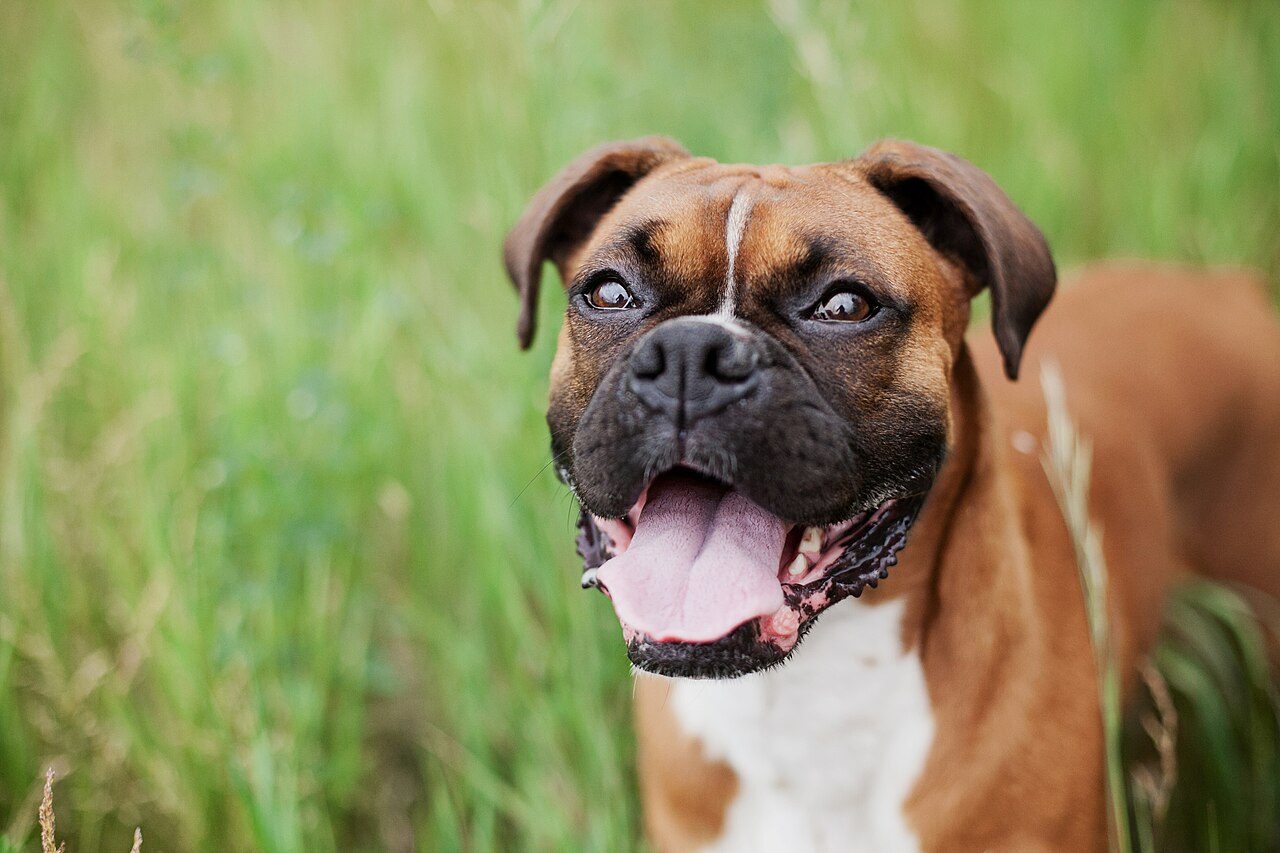
Snub noses are cute. They're also a design complication that makes breathing difficult, and that alters everything about workout time. If your house is filled with pugs, bulldogs or an adorable sniffer of their own, buy-in from your veterinarian is the first step when shopping for the best pet treadmill for dogs such as these. Shopping in the cart is next. Here's what to ask before you go.

Why flat faces change the rules
The pathway of the air is shorter, the tongue is smaller, the length of the soft palate is reduced. Every breath now takes a moment of effort. Shorten the muzzle and narrows the nostrils.
Our vets dub this condition "brachycephalic airway syndrome," and from the faintest of snoring to life-threatening, it varies in severity. Even a mild case can cause a dog to overheat in as little as a few minutes. A severe case could make even a walk too dangerous. So a treadmill isn't necessarily a life-changing gift, not without your vet's approval.
Imagine attempting to climb a flight of stairs while sucking on a coffee stirrer. That's the best you can hope for.
Questions to ask at the appointment
Take notes. Seriously, write these down.
Find out the severity of your dog's airway obstruction. Your vet can give your dog a score, based on examining the throat and observing your dog breathing when they are resting and post mild activity. A few clinics can provide an exercise test to determine how quickly they recover.
Many vets say yes, with limitations. Many say no. Both are acceptable responses, and both are better than guessing.
Follow up with practical questions. How long for each session? What is a good speed? Do I begin with two minutes or five? How many days per week? What temperature should the room be? Do I need to rest after food?
And lastly the really big one: what warning signs are actually a reason to stop straight away?
Warning signs you must memorise
Let your judgment serve as a tool. Panic is a rapid response, and blue dogs make the leap from 'exhausted' to 'emergency' in a heartbeat.
If you detect noisy or laboured breathing that progresses, call us immediately. A blue or very pale tongue or gums indicates lack of oxygen. Excessive dribbling, saggy limbs and stumbling, collapsing, vacant stare. The same frantic panting that does not settle down a minute after stopping.
If you observe any of the above signs immediately stop the belt, bring your dog to a shaded area and take your dog to the vet. Do not hope that the condition will pass. It will be much cheaper to have a 'false alarm' than to waste time and see the condition worsen. Always have a towel that you have soaked in cool (not ice) water to lie over the dog's body while you seek further advice. Putting the dog into cold shock will do further harm.
Heat is the sneaky enemy
Noisy dogs don't dissipate heat effectively. Treadmill in an overheated room is a disaster.
Choose a cool room. A fan and air conditioning are fine, but a dog in the wind is not a plan. Keep the room warm enough for a human to wear a T-shirt – no exceptions. Make sure your fresh water is available, but don't make the dog drink while playing in the pool, he shouldn't breathe it anyway.
Forego working out altogether on warm, humid days. Even if you're inside, a muggy afternoon can be deadly. Mornings and evenings are generally more forgiving.
Machine selection alone
When your vet approves, features matter. You can't have just any treadmill as not all are appropriate for short-nosed dogs.
Choose an extremely slow, extremely gentle starting speed. Most flat-faced canine breeds are more comfortable at a saunter rather than a jog. Your ability to vary your speed in small fractional values will help ensure you won't startle the dogs.
Choose a quiet one. Breathing fast is, of course, something these breeds can't afford, so it's better to get them in a calm environment. And that rattling motor is just another layer of fear they don't need.
Choose a lower, easier-to-get-in short deck. Short-legged animals like bulldogs and pugs are short in stature and take short steps. A step-up that isn't too tall will save a short-legged animal an awkward scramble and a puff of effort before the fun even begins.
Require a model with side rails and a quick-reach emergency stop. When a dog suddenly gets tired, the belt must stop immediately, not glide to a stop.
Stay off the incline setting. For real. When you walk uphill, it takes more energy, and these pups have no one to spare.
Harness not collar
Don't put a collar and a lead on a dog with a flat face on a treadmill. The pressure on the neck can constrict an already tight airway.
Instead, wear a properly fitting, chest-supporting harness. Wear a harness that does not chafe and lift when pulled up close to the throat. Use a lightweight safety tether and clip it to the harness so it has slack. The idea is to prevent a fall, not to control a fall.
Training: slow, calm, treat-heavy
The sad dog pants more. The panting, flatties dog gets in trouble So training has to be relaxed right from the get-go.
Begin with the machine off. As your dog sniffs, stands and nibbles at treats on the belt, praise profusely. When your dog is comfortable with that, run the belt at its lowest speed for a full minute while you stand alongside your dog and talk nonsensically to him. That's all. One minute. If your dog is unconcerned by the experience, stop there.
Build up gradually – over weeks, not days. It took my neighbour's bulldog three weeks to get all four paws on the belt for the first time, and another two to stay there for five minutes. Now he's a convert, snoozing contentedly after on the mat, which is bulldog-approved.
Watch recovery, not just the clock
Timing a session is easy. Estimating recovery, is harder and more valuable.
Notice how long your dog takes to return to a normal breathing rate after the belt. It should be normal within a couple of minutes. Keep that session the same next time. If it takes longer and longer to return to normal then call your vet, your trends are your best indication.
Monitor your dog's weight as well. More weight puts additional pressure on the airway, and for these breeds, a thinner body is a less sleep-deprived body. Use a treadmill to help put weight on the dog (well, off the dog) but only if every run remains safe.
When to refuse a treadmill
And the right answer may be not today. Too much airway disease, recent surgery, heart problems or heat intolerance may make it a no-go. Your veterinarian may recommend some slow, lead walks in the cool of the day, nose-work games or short play breaks.
That's not failure. But a happy, safe, mentally enrichment dog doesn't need a machine. And if you do receive the green light, use it as an addition, not a substitution to sniffing and strolling.
Lastly. Have your vet's phone number on hand and follow your instincts. You understand your dog's breathing more than anyone.