Ask ten dog owners how long to run a dog on a treadmill and you'll hear eleven different opinions. Just a heads up: It's not likely to end online either. The best pet treadmill for dogs may not even be able to tell you when your dog has had it, but it boils down to your dog's body, age and health and a good discussion with your vet.

Let the Vet Start Before the Timer
Schedule the appointment before you purchase one accessory. Only your vet can answer questions about your dog that an instruction manual never could. A heart murmur, wear on the joints, a secret weight problem, a previous injury that only flares up on cold mornings.
Write 'em down. Vet rooms have a magical way of erasing your memory the moment the door closes. How many minutes are comfortable for a first session? How many times a week? What speed is right for your dog? What are the warning signs that you've gone too far?
Another owner I know knew a young lab of hers who she didn't do this with. Three weeks of hyper daily jogs, and she was limping. Sore shoulder, not too bad, but she had a few weeks off. Learned that one the hard way.
Age Changes Everything
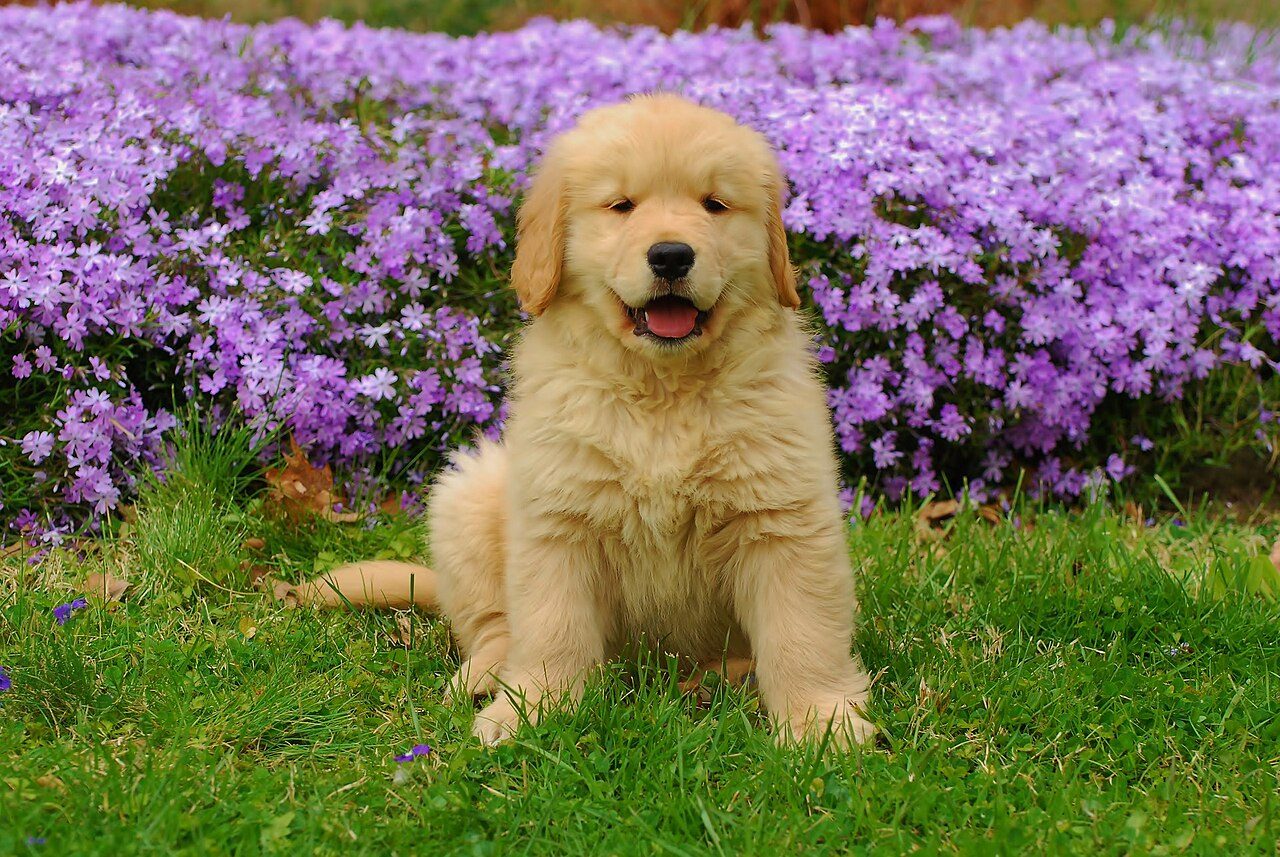
Puppies are like springs on legs, but their growth plates remain soft for quite a while. Continuous, forced conditioning on a belt can put a strain on these joints. Most animal practitioners would recommend delaying formalized treadmill training until the puppy's skeleton is fully developed, and it depends on the dog's breed. The larger the breed, the longer it takes.
Adult dogs in decent shape are the easy case. Middle of the bell curve, really. Short first time, dose increments, good puppy checks.
Seniors need a softer hand, Arthritis, thin muscle, sluggish healing. A ten-minute stroll may be enough, and it can still be remarkably beneficial to their stiff joints. Slow is always faster in this one. His old friend isn't training for a marathon-he just keeps his legs moving.
Breed and Body Shape Are Important
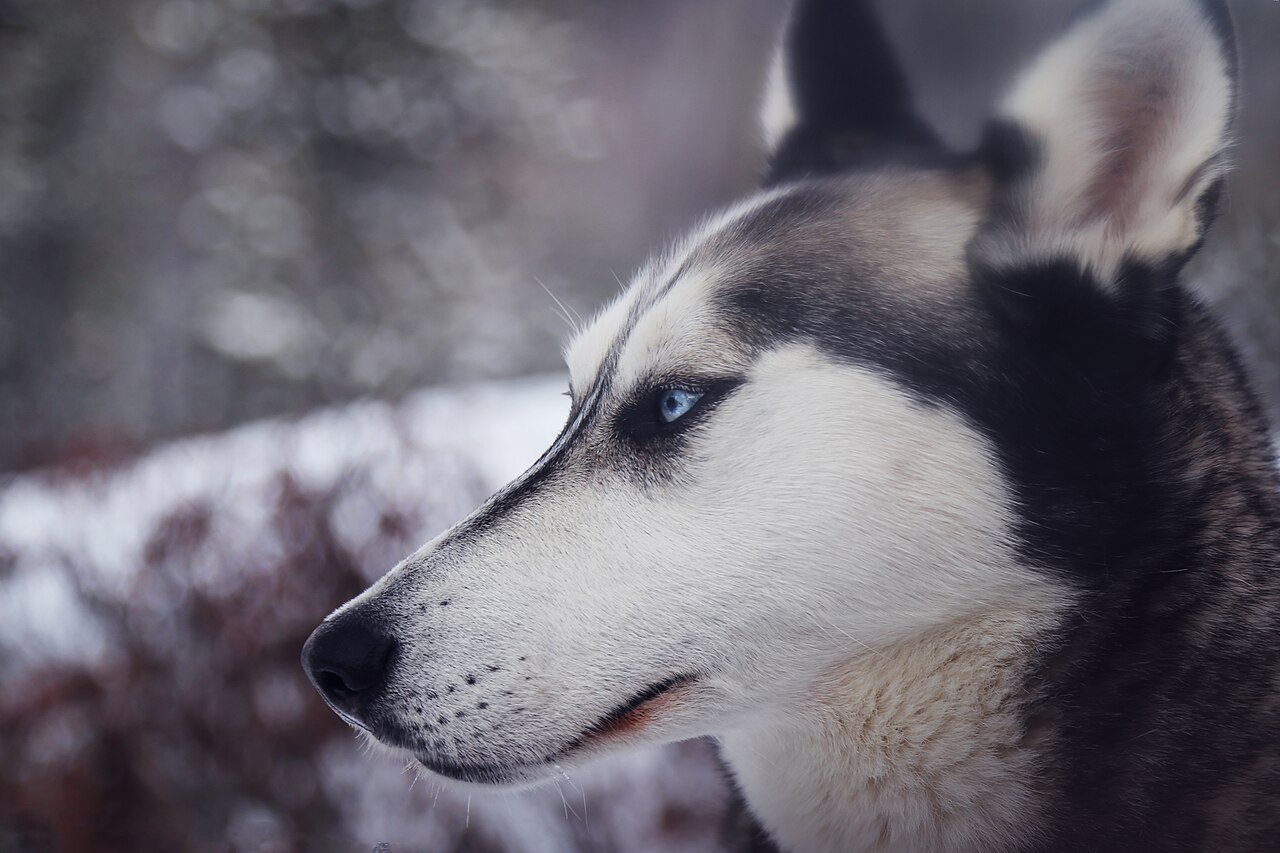
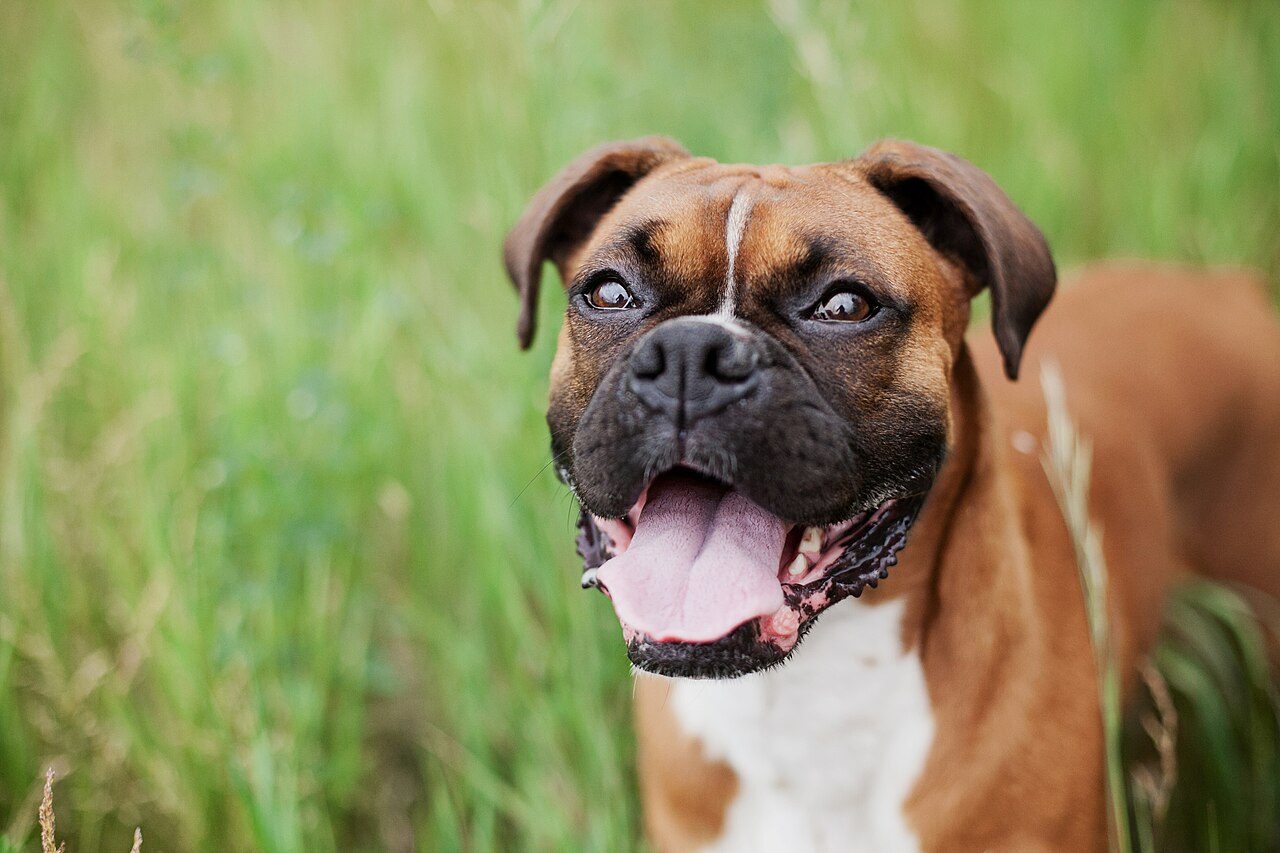
Even if a greyhound and a bulldog occupy the same living room, their lungs don't have the same rulebook to follow. Breeds with short noses can't disperse body heat as efficiently. That makes any breathing workout potentially dangerous in a warm room.
Long-backed breeds such as dachshunds have other worries too, as "blown disc" is a real concern for them. Large, deep-chested breeds raise additional concerns, so consult your veterinarian about stomach issues and when to feed before exercise.
Active herders? They'll happily keep going until they drop, since they've never learned how to stop. You will need to be the brake. Dogs have yet to summon the words 'I'm tired' while the cookie jar is still full.
Fitness Level Determines Where You Begin
A couch-potato pup and a daily hiker are worlds apart, even if they're the same weight. But what if you don't love the workout? And your dog doesn't love theirs? Begin at your dog's starting line, not your finish line.
If your dog is new to this, most trainers will have you start with just a few minutes of an easy walk, then build up a minute or two every few walks if all looks good after those walks. Your vet may recommend something different. Do what the vet says.
Fat dogs need lots of gentle exercise but you'll need to be mindful that their joints and hearts are under extra strain. So slow and steady wins the race. Sort of like going on a long road trip, no need to rev the engine from the garage!
Health Conditions to Bring Up
Some issues are not so loud. List all of the following which you are aware of on your visit:
Heart/lung problems
Hip or elbow dysplasia
Arthritis
Cruciate ligament problems
Diabetes
Previous operations or broken bones
Seizure history
They can all alter the program. A dog after knee surgery could have a short, slow walk for rehab while the dog with heart disease may require restrictions or may not be allowed on the treadmill. Don't speculate.
Don't forget the medication. Some medications can alter the cat's response to energy, heat, or hydration. Ask your vet if a medication makes a difference in the equation.
Speed and Incline Count as Much as the Minutes
Duration is only half the lesson. Ten minutes crawling is a different workout from ten minutes trotting hard. Ditto for inclination. Up a slope and the muscles in the hind end are working harder, which is good, but the challenge is greater, too.
Your vet will tell you the appropriate speed for your dog's size and style of gait. Hold the belt so it stays flat until your dog hits it smoothly. If your dog is skipping, hopping, or dragging a paw, turn off the machine.
Watch the Dog, Not the Timer
With the even the best prescription, the dog of today can't be the dog of yesterday. Heat, stress, a rough night – all of it's reflected on the belt.
Stop right away if you notice:
Heavy, noisy, or pounding panting
Lagging behind the belt
Limping or uneven steps
Drooling more than usual
Gums are pale or blueish
Trying to jump off
A dog who looks eager at minute four and miserable at minute nine told you the answer. Stop at six next time.
Provide water after every exercise, and allow your dog to walk slowly to cool down. Do not exercise on warm, humid days, and keep the room cool. If your dog seems hot, turn on the fan!
Frequency and Rest Days
Everyday doesnt mean always better. Rest is when muscles and joints repair not when you are working them. While your dog might be perfectly happy going for only a few treadmill sessions a week, ask your vet what he suggests for your dog. Treadmill time should be in addition to walks and play rather than instead of, because a dog needs scent trails and wandering and a really good roll in something icky. A belt can't do that.
Use an Uncomplicated Log
Write down the day, date, time, speed, and how your dog seemed post ride. Only takes thirty seconds. At one month, you'll see some patterns: fatigued after Tuesday, energized after a gradual increase in speed. Bring your notes to the next veterinarian visit. Vets love real data.
Plans change as dogs change. What works at three o'clock might be awry at nine. Check it occasionally, and don't be afraid to check again. Good vets aren't cross about it.