Your dog just watched the treadmill start up and ran for the couch. Anyone got a problem with that? Moving floors that make noises, shake, rattle and roll all by themselves-well, to a dog that looks just like a haunted conveyor belt. No best pet treadmill for dogs is going to be welcome in your house until your dog agrees, and they make the call.
Begin Reading the Body Language
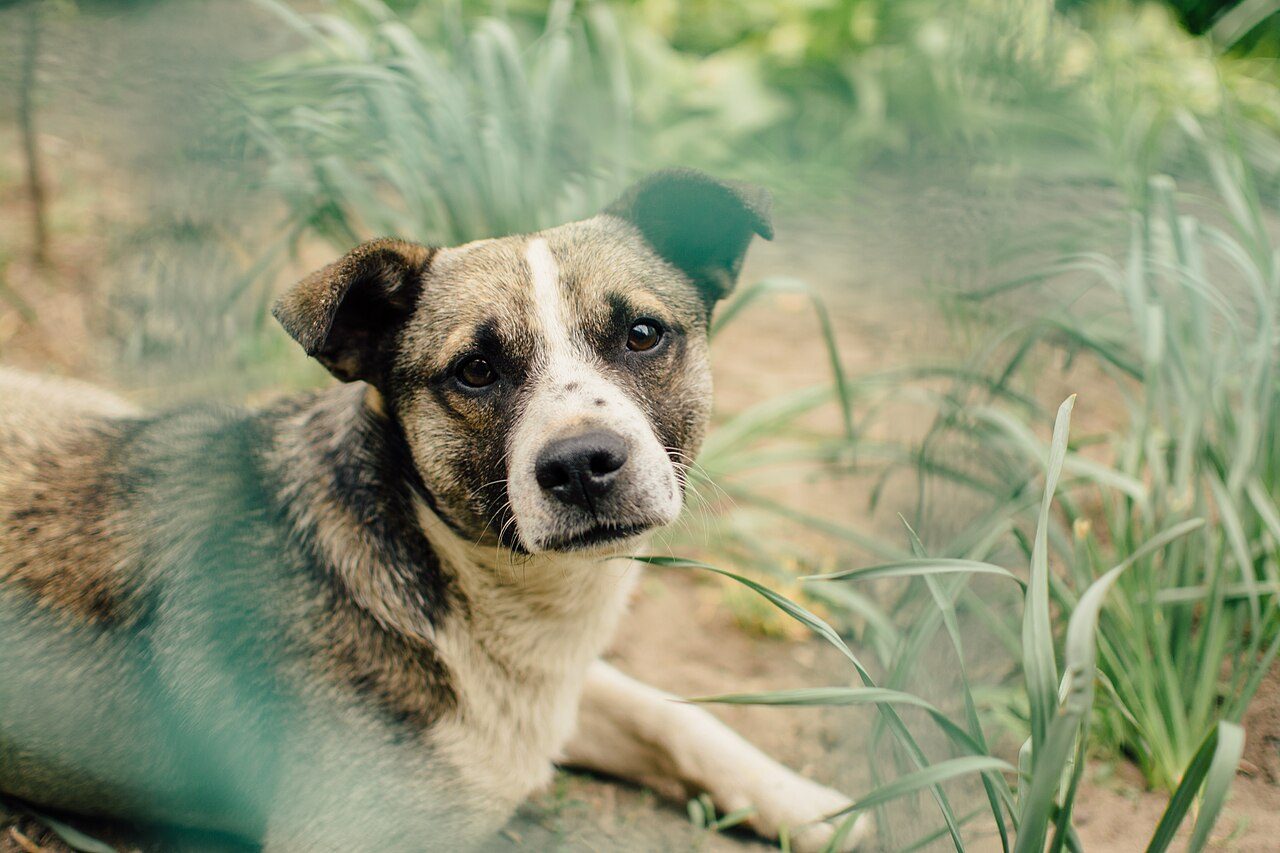
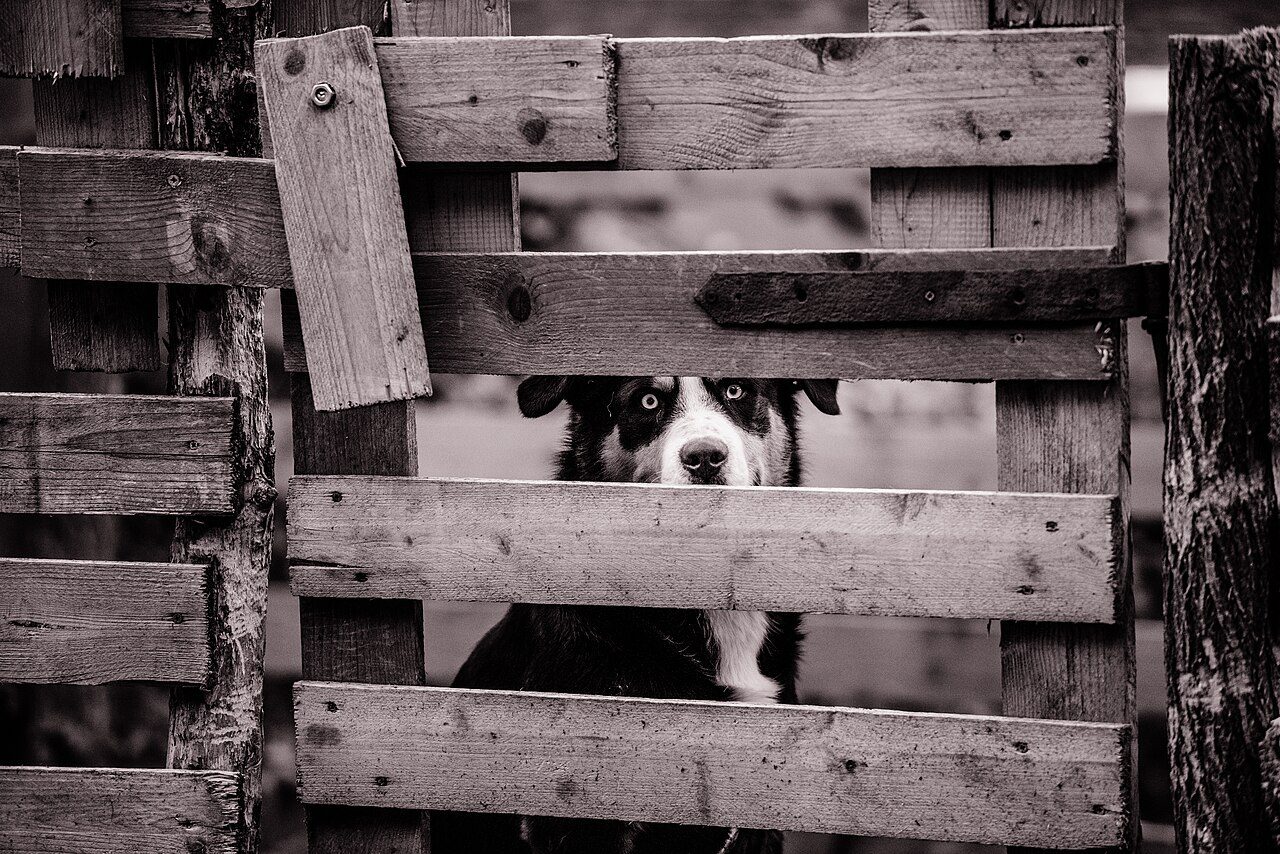
Before you even press one button, observe your dog. Fears contain a language. Tail between the legs. Flattened pin Ears. Lip-licking. Yawning with no sign of sleep and the floor suddenly seems interesting. Some dogs go stiff as wood. Others are barking at the object as if it didn't pay rent.
Signals specify how close you can get. A dog who sniffs from the other side of the room and then slinks away is curious. One who shivers, pants, and turns her head away from a chicken treat is beyond her comfort zone. Treats are a good measure – if your favorite treat gets rejected, back away. No shame.
Spend a minute writing down what you see. Is it the belt? The noise? The whole unit? Identifying the trigger can save you several weeks of trial and error.
Allow the Machine to Be Furniture First
Here's the thing that most treadmill owners don't do. Turn off your treadmill, unplug it, and leave it alone. For days. Leave it off to join the furniture, like that ugly armchair nobody uses.
Throw a few pieces of food near the bottom. Then on the belt. Then a bit higher up. Throw some calm energy around yourself as well! Dogs can read our energy easily, and if you are stressed and intense, they will naturally suspect that the object is threatening. Sit down near the area and browse on your phone. Boring is good!
We humans love our schedules. Dogs, on the other hand, have no concept of time.
I had a friend do just this with a rescued greyhound of her's for an entire week. Seven days of nothing. Day eight the dog jumped onto the standing treadmill, sat down and looked at her. As if to ask, "What took you so long?"
Beginning With Sound Prior to Motion
The noise is the issue. The whine of the motor, the thump of the belt, the beep of the console. The one time I used it, my dogs only handled the movement well, but lost it when the noise started.
So break the cycle. Put on a recording of the treadmill's hum at soft volume while you serve up dinner for your dog. Increase the volume a little every two days or so. Down the road, turn on the machine with the belt at zero. Let the screen glow and beep. Reward every pulse of tranquility. One special tip: Cover the console with a towel during initial sessions. Fewer blinking lights, fewer jitters.
Only after that should you add the slowest possible belt speed, the kind where you'd barely notice it moving. Think snail pace, maybe slower. Two seconds of motion, then stop, then treat. Short and sweet.
Use Treats as Currency, Not Bribery
This is different. A bribe is delivered after the dog barks. Currency is paid instantly for a good act.
Choose something a little special, the kind you save for a moment of desperation: a boiled chicken breast, cheese squares, peanut butter spread on the end of a spoon. Save these in your pocket. When your dog earns a tasty treat, reward them with an enthusiastic, "YES!" and toss the treat. One paw on the belt hook? Good job. Two paws on the hook? Even better. Keep the size of the treat small, though, or it'll just be a giant sausage on four legs.
Don't get suckered into lure-and-trap behavior where you're pulling them along and then rolling the machine. That shreds trust in a heartbeat, and dogs have an even longer memory than we do for getting duped for a treat.
Pick the Right Spot and the Right Time
Placement is more important than you might realize. Treat the treadmill as you would treat any other part of your home; place it where your dog already relaxes, not in the corner of the garage where the vacuum sits. Prevent slipping! Place a yoga mat under it and curb the vibration.
Timing matters too. Miss class the day after a thunderstorm, a visit to the vet or a houseguests invasion. Your dog is already on edge. Wait until after a short walk that has burnt off the zoomies, but before they've drained your pet's tank.
End on a positive note. Sessions should be only a few minutes long – three to five minutes maximum. End before the dog begins to show signs of stress, not when it's evident that he/she has just been through a lot.
Let a Confident Dog Show the Way
Put that dog to work. Dogs mimic each other all the time. Seeing a buddy happily strut his stuff can save you a few months of persuasion. But don't demand a "hey! Hi! I want to see you run now!"; dog helper should remain calm, so should you.
No Second Dog? Do it Yourself! Set a second dog on the belt, at a crawl pace, with your dog watching at a safe distance. Talk in a very silly voice. "Look at me, I'm walking nowhere! Who's the dummy?" You'll be silly. Your pup will be curious. I'll do this trade any day.
Add a Leash and a Guide Rail Slowly
When your dog gets on the belt of their own accord, while it's crawling along, you can graduate to a leash. Clip it onto the front rail with plenty of give so there's no pulling. Pull is like being stuck, and stuck is where fear ignites.
Side onto the dog, not in front of it and not behind it. Have your hand close to the stop button just in case. Many models will have a safety clip that the owner needs to be aware of how it works prior to the first real session. Soft voice, a lot of praise and hitches off whenever they want. Freedom to leave is the important part that makes it possible to stay.
Your first real walk could be only thirty seconds. That's okay. I'll take thirty seconds of trust over ten minutes of sheer pain.
Increase your speed in small steps. Average dogs will find their natural trot somewhere in the one-to-three-mile-per-hour range, but breed and size are very important. You're not likely to find a basset hound keeping pace with a border collie, and that's OK.
Know When to Call in the Reinforcements
Some fears are more significant. If your dog shivers, drools, or attempts to bolt from the machine every single time, then you need to back away from the table for a bit. A behaviorist or a trainer certified by the certification council can craft a plan based on your dog's history.
Also rule out pain. Maybe your suddenly averse dog to running on the treadmill is hiding tender hips or a sensitive paw. Dogs don't usually give warning about pain in words. They tell you all about it by ignoring you.
Get your friends to tell you about how they trained their dogs too. I guarantee you'll hear lots of "we failed twice before it worked".
Celebrate the Weird Little Wins
You won't see steady progress. One day your dog will get on the belt with excitement. The next, they will refuse to get on like they've never seen it. That's just the way it goes. Don't take it personally.
Count the little things: a sniff, a paw, a sit, a wag of the tail when you arrive. Each one is a brick in the wall of trust. Knock down the wall too quickly and it will fall for good. Build it slowly and it will last for years.