First of all, let's get one thing straight. No one is going to replace the leash just because they get the best pet treadmill for dogs. Some pet parents are worried they're cheating (like they're inferior pet parents, as if walking on a contraption doesn't take any skill). And they're wrong, no matter what the treadmill salesman told you.
What a Walk Provides That a Machine Cannot
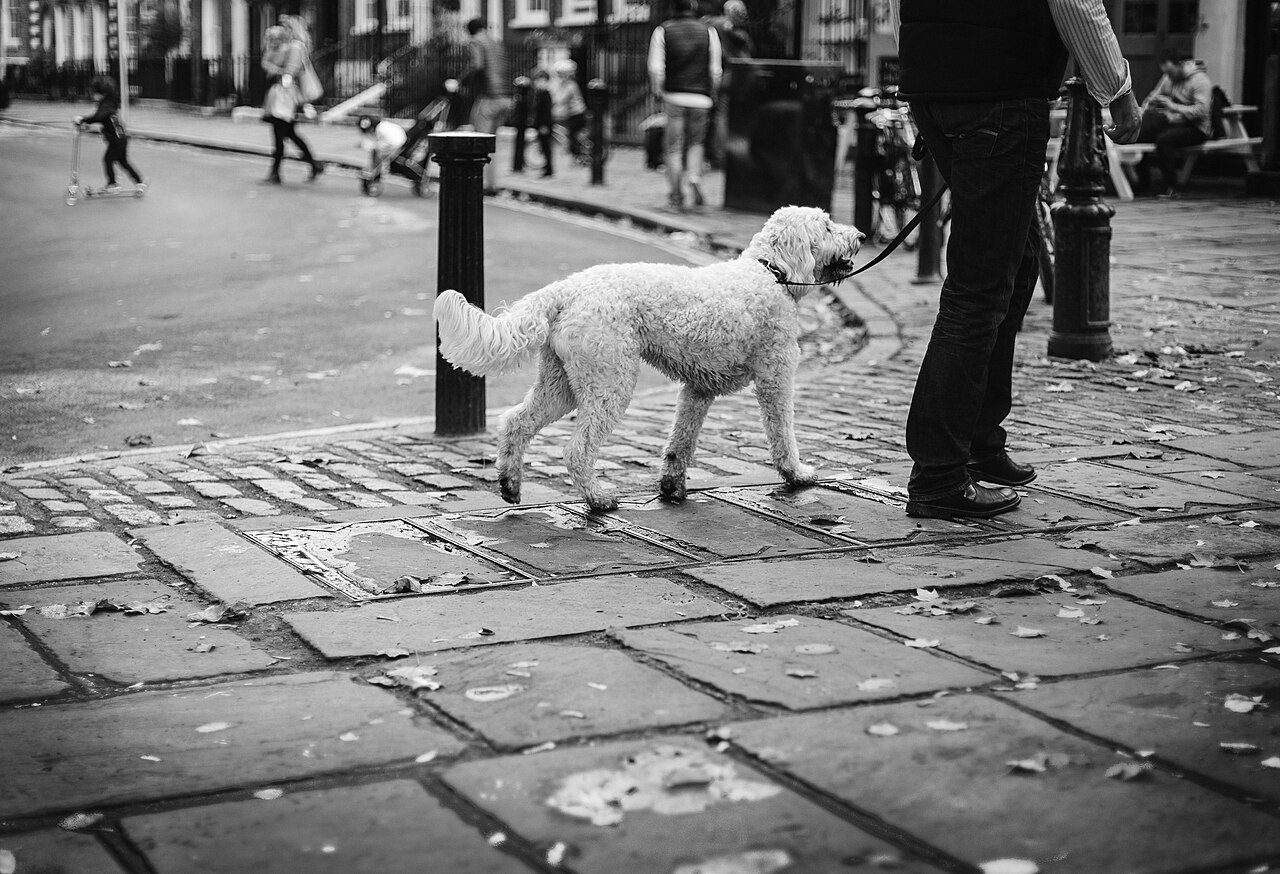
A walk is a dog's daily newspaper. Each lamppost, hedge and grassy verge is covered in headlines in scent. Your dog reads them with a nose thousands of times more powerful than your own.
Certainly that sniffing is actual brain work. It wears a dog out mentally and a tired mentally wears a dog out. A treadmill won't do it.
Walks satisfy your dog's social drive. Other dogs. Strangers. Bikes. That strange plastic bag flapping in the wind. Every single one is a lesson for your dog about the world. Insecurity is replaced by reassurance every single walk.
And be honest, you win also. Nature, a little sunshine, a word with the neighbor who always wants to build. That counts.
Benefits of a Treadmill That a Walk Cannot Provide
Now the other side.
A treadmill is reliable. It doesn't matter about monsoon rains, the ice on the pavement, or the heatwave that will leave your shoes melted on the sole. It is for you, seven in the morning, ten at night, amid the snowstorm.
It's also self-controlled. You choose the pace. You choose the duration. You can maintain a walk trot pace for twenty minutes, which is not so easy to do on a walk when your dog keeps stopping to sniff every other acorn.
For certain pet owners, those things are important. For the out of shape dog, dog that needs to shed a few pounds, build up endurance, or that is on a trainer specified exercise program – sensible, reproducible movement is the best. A walk is wonderful chaos. A treadmill is a metronome.
Think of It as Cross-Training
(That's right. Runners don't just run. They swim, lift, and stretch, because comfort in one movement leads to strength in all movements. Dogs can too.)
Let the great outdoors be your brain training, your social hour, your variable terrain, your exercise. And let that treadmill be the king of your muscles, your rain, and your shine. Neither one is the king.
A simple, effective routine for most households. Do a couple of real walks daily for potty breaks, sniffs, and play. Add a brief treadmill walk on days when you're busy or there's still some energy to get out of the dog after a walk.
When the Treadmill Earns Its Keep
Some situations make the machine shine.
The most obvious one: bad weather. A dog has no idea why you won't leave the house in the rain. The treadmill turns a mopey, pacing afternoon into an easily handled one.
Another one is the busy seasons. Deadlines, long hours, a child or two in the home. Life gets noisy. A quick session while you're on the next room is all I need for a peaceful evening.
Hot days, too. Pavement is almost as hot as it gets on paws and breeds with short noses can get very hot very quickly. Not so inside.
And finally, recovery. Post-injury, or post-surgery, a vet may advise slow, methodical and low-impact exercise. A treadmill is a great way to carefully do that. Just be sure to get permission before you start.
There are some breeds of dogs you could walk forever and they wouldn't get tired. Just a brief treadmill run after a long walk or hike and they'll finally settle down.
Conditions for Walks to Win
Some things a machine will never fix.
A dog who needs socialization. Puppies, rescues, and shy dogs need to experience the big world. Stay outdoors.
A dog with behavioral issues from boredom. More than raw miles, variety and scent work are what counts. Chasing the thousand-mile belt will never fill a hunger for mental chow.
Or any dog that just loves walks. Many do. Removing walks for a device would be as if offering a pill as a substitute for that favorite meal.
Sample Weekly Rhythms
Remember – these are just starting points, not hard and fast rules, every dog is different.
A young bouncy dog could have three walks outside a day and just a ten minute treadmill walk on three or four nights. The treadmill blunts the bite and the walks do the rest.
Old, stiffer dog: Shorter, slower walks with a slow treadmill session three to four times a week can be easier on aging joints if the vet says it's okay. Gentle, consistent motion can be easier on aging joints.
An overweight dog could benefit from a combination of a daily walk mixed with slow sessions on the treadmill to build up some stamina. Start small and go gently. A dog that is too heavy should not start with a twenty minute workout.
For a tiny apartment-dwelling dog, that could mean a quick treadmill walk and a slow neighborhood walk for sniffing and peeing. That'll do the trick.
Common Mistakes Made by Owners
A few habits cause trouble.
Using the treadmill as a substitute. It's a bonus. Dogs require time outside to explore and visit, to relieve themselves, and to develop their minds.
Doing too much. More isn't always better. If you notice your dog panting heavily, starting to lag behind the belt, or trying to leap off the belt, those are your red flags.
Do not treat a dog by throwing it onto a running conveyor. Begin with the conveyor turned off, use food treats and a slow ramp up. Pushing a dog into a bad experience on its first day will ruin it.
Put the dog out alone on it. Never. Not for even a minute. Dogs can hook or get hung up in one second, so you keep the side of the machine, hand on the stop button.
Avoid the vet. If your dog has joint problems, is having problems with their heart or breathing issues, consult a professional before commencing.
Transitioning Between Them Easily
Dogs love routine, so give them one.
Set time aside for walks and set time aside for treadmill runs. Choose a word or phrase you always say right before hitting the treadmill, or a signature "go" word or phrase that you always use without the leash. Some people have a special treat they give on the treadmill that makes it feel like a little party.
Start out with very short sessions. Even five minutes is enough. Gradually increase by a minute or two a week if your dog appears to be enjoying it.
And keep an eye on your dog's demeanor following activities. Your pooch will be getting what they need if they return home from a walk chilled out and content. If they appear to have high anxiety levels following a walk, even a treadmill walk may be beneficial. The bottom line is you should be reading your dog's body language.
Opting for a Machine that Fits Both Sides
If you're considering combining walks with treadmill use, choose a model designed for it. Take into account a sufficiently long belt for a natural pace, non-slippery running surface, convenient emergency stopping capability, and a motor capable of running peacefully at low speeds. Size it to your dog's dimensions, not your dreams.
And never forget your goal. You are NOT going to substitute the great outdoors. You're just creating a backup plan, a rainy day hero, a patience trainer who will not complain about the weather. Walk whenever possible. Use the belt whenever needed. Your dog will love both.