Stop staring at motor specs. That’s not where you should begin most people shop for the best pet treadmill for dogs. Not even close. Instead, before you get hung up on horsepower, bring out a tape measure and look at your dog. The running surface-the moving belt beneath those paws-determines whether the rest of this whole rig is worth it.
Begin With the Body, Not the Box
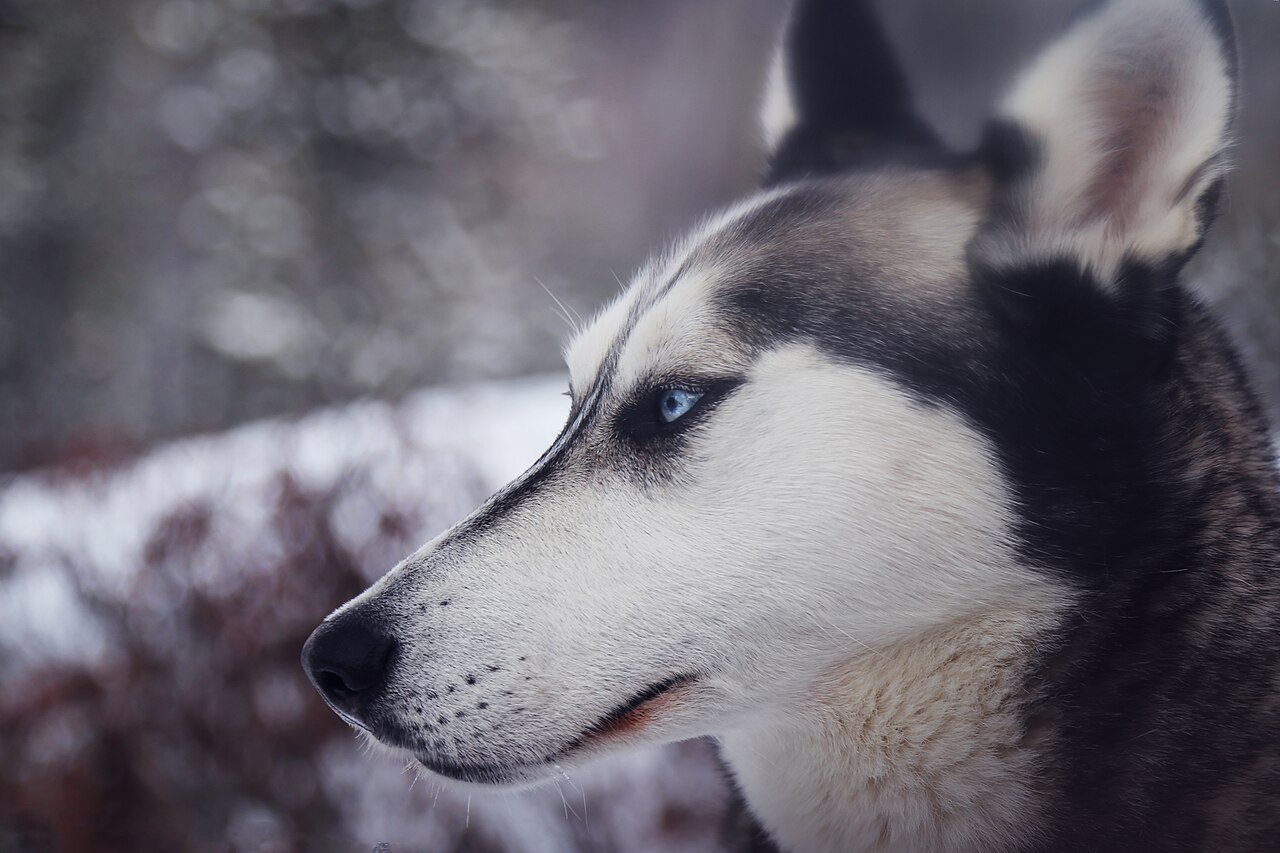
Here’s a rule that will squeeze onto a sticky note. Your belt should be 1.5 to 2 times your dog’s body length in duration (from chest to base of tail). For fast moving dogs 2 times is best. A tall, lean herding dog at full speed is one long strip of ribbon; If you hand him a too short a belt the stride becomes awkward, the cadence becomes clunky, and the machine begins to feel like an adversary.
And width. Choose a belt roughly one and a half times shoulder width, giving the dog a little room on each side. Too snug and you’re restricting movement, too wide and you’re paying for wasted space.
Let me give you a quick example. Consider a forty inch long dog, from the chest to the base of the tail. Take that measurement times one and a half (six foot three inches) and you end up at a forty five inch floor. Two times and you wind up at a sixty inch floor.
Small Dogs Still Need Elbow Room
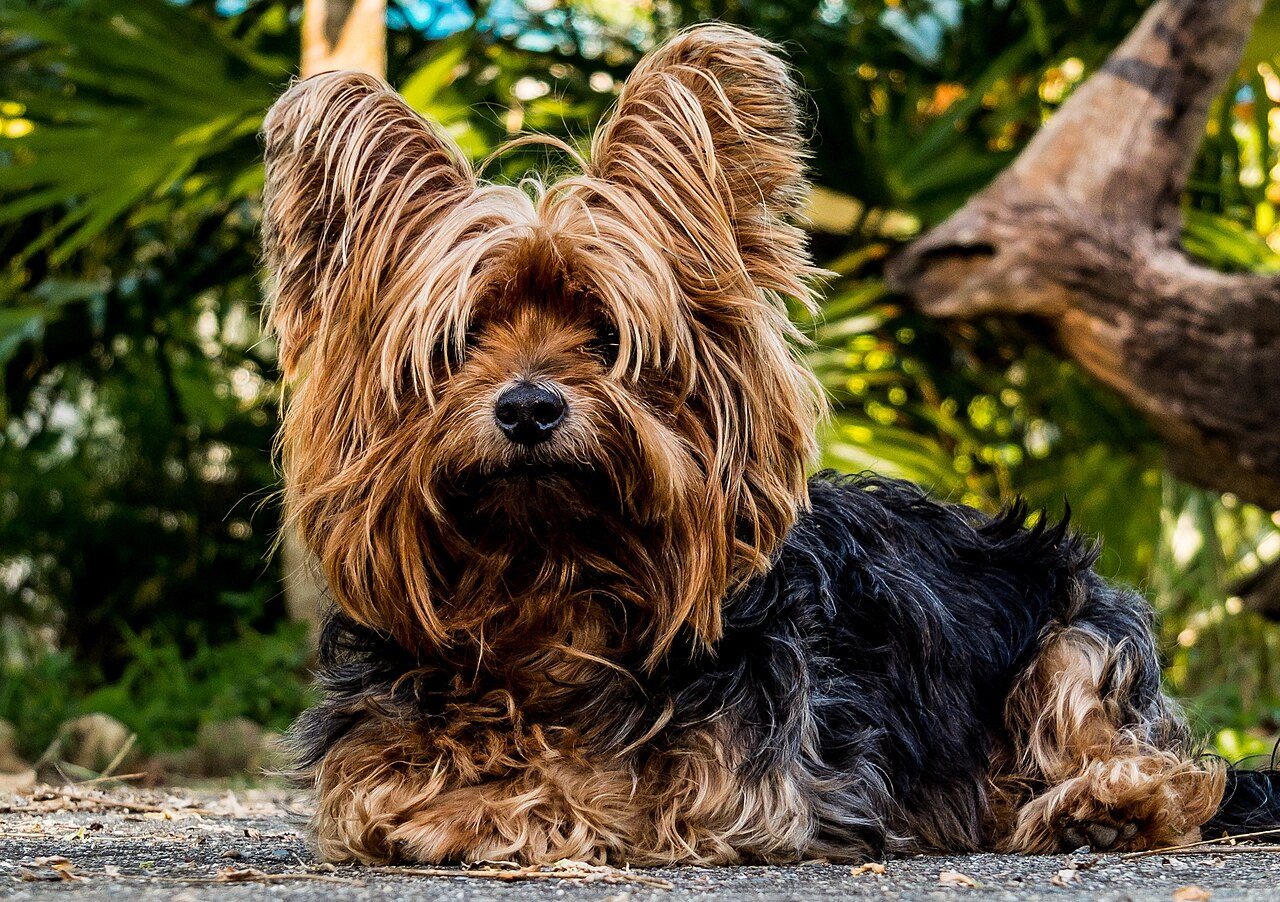
You don’t need a catwalk, but the belt can’t be a postage stamp. Small dogs make short, quick steps, so they’ll need room to accelerate and decelerate without falling off the back. A belt that measures about 35 to 40 inches long should be enough for all dogs under 20 pounds. A width of 12 to 14 inches is sufficient.
Here’s the rub. Most small dogs are invisible to builders. Human gym machine speeds are too high at the lowest levels, and the side rails are positioned at ankle height for a long dog, with little stubby legs. A friend used to watch her terrier attempt to scamper up one as a mountain. Adorable for about ten seconds. Then it wasn’t.
Big Dogs Eat Up Belt Swiftly
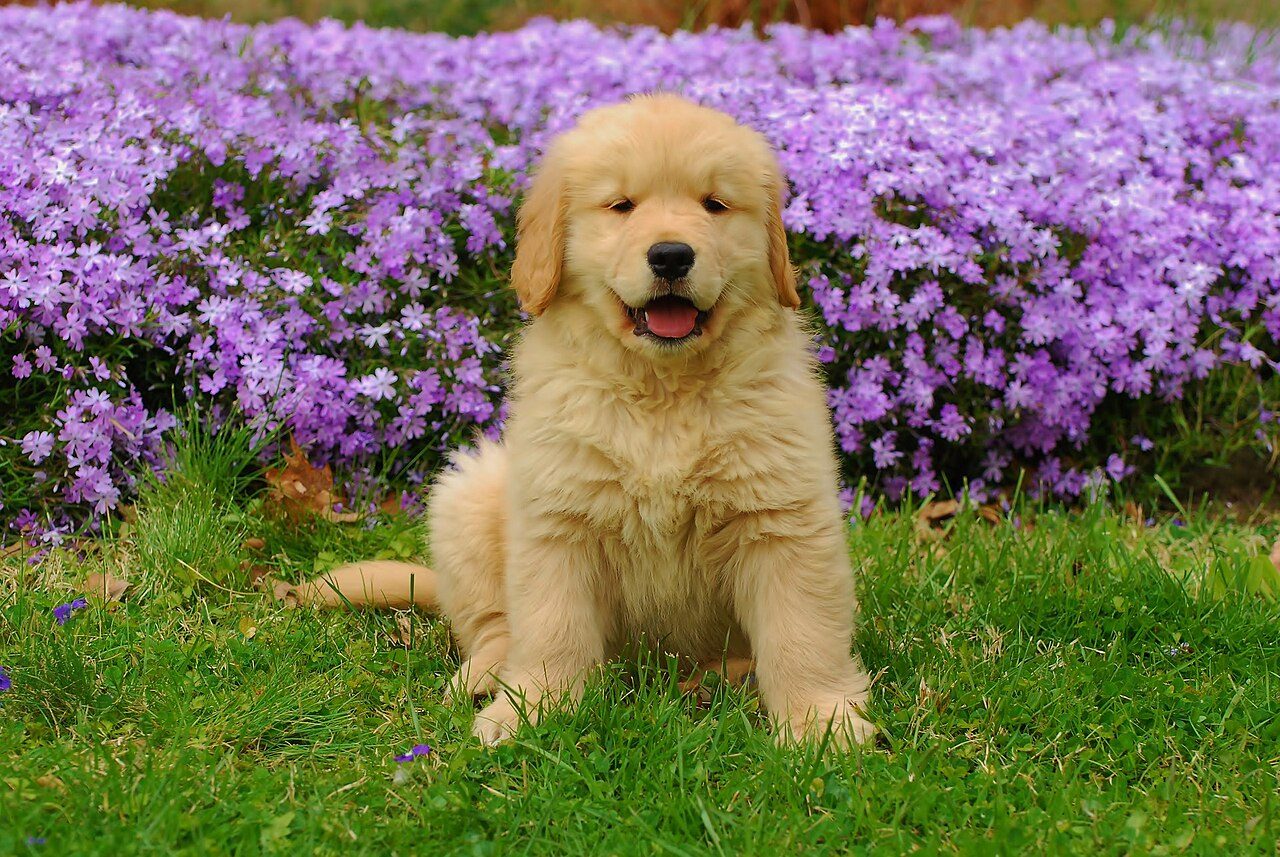
Now imagine the opposite. Seventy pounds of retriever with a stride three feet or more at a trot. Longer on a run. That same dog on a forty-inch belt and every step at the edge. And nobody is relaxed. Hound or human.
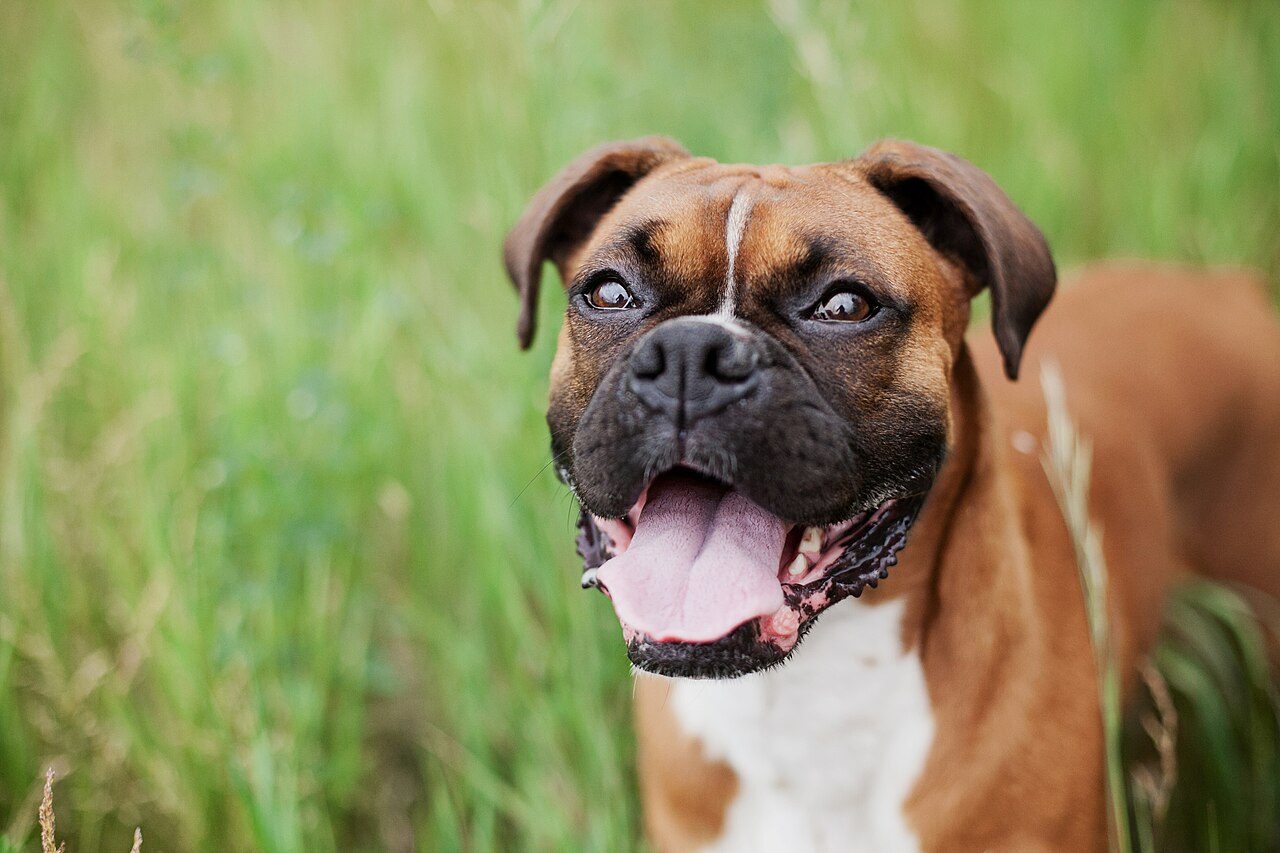
If big, get a belt that’s fifty-five or more. Sixty is good. Width should hit sixteen or more. The big ol’ mooselike breeds, the gentle giants, may need even more, and not all of them should ever be running fast because of stress on the joints. Check with your vet before you buy.
Headroom is also important here. If you have a tall dog you’ll need headroom, so if the ceiling is low above the machine, your dog will have to duck. Measure from the floor to the top of your dog’s head and add six inches.
The Space Around the Machine
People don’t mention this. The belt is only part of the story. You need room for the entire frame on the floor, and you need a safety zone.
Keep at least three feet of space behind the treadmill. If your dog bounces off it mid-run, or slips, that’s the landing strip. Leave about a foot on each side (more if your dog is a jumpy bounce), and monitor that power cord! Having a power cable dangling is like setting up a slip-and-fall stunt.
Garage, spare bedroom, covered patio. Perfect places. Don’t use glossy tile where machine is prone to move, and skip those areas that get full sun in the summer afternoons. Our pooches heat up even faster than we do, and a warm room can turn your workout into a hazard.
Noise counts as well. Certain dogs go stiff at the noise of a motor. Find a corner your dog already takes a lot of confidence.
What the Belt Feels Like Underfoot
Size is a headliner, but don’t underestimate what surface quality has to offer. If the surface is too slick, it’s all over. Shoes are not dogs. Neither sand nor clay are the same, but without good grip, a dog’s claws will just slide around, and the dog will panic.
Find a textured, non-slip belt that offers a little stretch. Too stiff and a dog squeals, “I’m braking!” Too soft and you’re miming a drunkard stumbling over the floor. The ideal balance is somewhere in the middle.
Small spaces are perfect for toenails. Cover it up with a firm top to prevent paws from searching out small holes.
Clean the belt too. Fur, drool, and the random muddy paw form a greaselike coating. Clean it after every use, and the grip will remain true.
And do watch those nails. Long claws make for click, slip and catch, a quick trim each day can save you a lot of stick later.
Try It On First
Numbers on paper can only get you so far. Dogs aren’t spreadsheets. After you’ve narrowed your list, do a fit check.
Let your dog stand next to the machine and judge. Does it seem far-fetched or tight? Observe your dog’s stride while walking outside. In ten seconds, measure how many paces it takes. A long, flowing stride will need a more expansive belt than a dog who scampers and scurries like drops on a tin roof.
– if a dealership or a buddy will let you give it a shot, take goodies. Plenty of goodies. First couple of sessions should be ten minutes max, walking speed. Reward, reward, reward every paw on the belt. Reward standing still. Reward the expression of mild interest. You’re establishing a relationship with a noisy, moving floor.
Let me be honest: some dogs just don’t get it. And it’s fine. The canine who is not a fan of the machine isn’t being stubborn. He’s trying to tell you something. Patience is the key, though. Two weeks of baby steps is better than a bad afternoon.
Puppies, Seniors, and Everything in Between
Age alters the math. The same puppy will exceed your belt way quicker than you’ll discover a corresponding leash. It makes sense to purchase for the adult, however the early classes should be brief and gentle, as development plates are still delicate. Many vets recommend avoiding any actual running until the skeleton fully develops. Walk only.
Seniors need just the opposite. They need a smaller step-up, a longer belt to accommodate slow, shuffling steps, and side rails to grab. Arthritic dogs frequently plow into the back edge of the treadmill. The belt on the forward edge has some give, allowing them a few more inches to make contact.
A dog returning from an injury falls somewhere between them. Quiet, smooth, well-supervised. Never walk a dog on a moving treadmill. Not for a moment, not to get your cell phone, not to answer the door. A dog can easily slip off the back in an instant.