Your choice of the best pet treadmill for dogs won't matter if the first speed is wrong. Too slow – the dog doesn't really move. Too fast – the dog trips up on the running belt. Somewhere in between and it takes a bit of watching to determine the best speeds for your hound. We'll help you find that.
Start Slower Than You Think
Whatever you're thinking, halve it. Really. Owners tend to get way ahead of themselves because to human eyes, even one mile an hour treadmill speed seems downright slow. To a dog, stepping onto the moving floor for the first time it's like standing on a rolling log.
A nice starting pace for most dogs is 0.5 to 1.0 mph. Small dogs and seniors can do fine at the lower end of that scale. Big, steady dogs should be fine at the higher end. If you have to go in between with your machine, you may not want to buy it, because you'll be stuck.
Match the Speed to Your Dog's Natural Stride
Walk without any gadgets. Observe how your dog moves when no-one is hurrying them along. Count how many strides they take in ten seconds, or just observe if they amble, march or trot.
All dogs run in gears the same way a car does. The first is walk, the second is trot, and the third is a canter or gallop, which is what you'll see when you get to the park and the ball zings past your feet. Your initial speed should fall snugly within the "walk" gear. Pace a dog so they're trotting as well early and you've got a less manageable animal.
Very long-legged breeds have a long, swinging stride and will require a marginally faster belt to be comfortable. Small-legged breeds, like a corgi or basset, will move their feet quickly, similar to a wind-up toy, and can quickly become overwhelmed. A corgi or basset on a fast belt appears as if they are running in place.
Consider Age, Weight, and Fitness
Puppies are popcorn machines on their way to the floor, but the joints are still being built. Keep them low and short. Older dogs will start stiff in the morning, so take a few minutes to limber them up before your normal pace, which should be even more gentle. Dogs carrying extra pounds need an even more gradual hill climb.
If the dog has heart problems, breathing problems, or arthritis, get a vet to give you the numbers. Please. Can't say it enough. A rough estimate gleaned from a blog will not do what a real professional who actually puts a stethoscope on your dog.
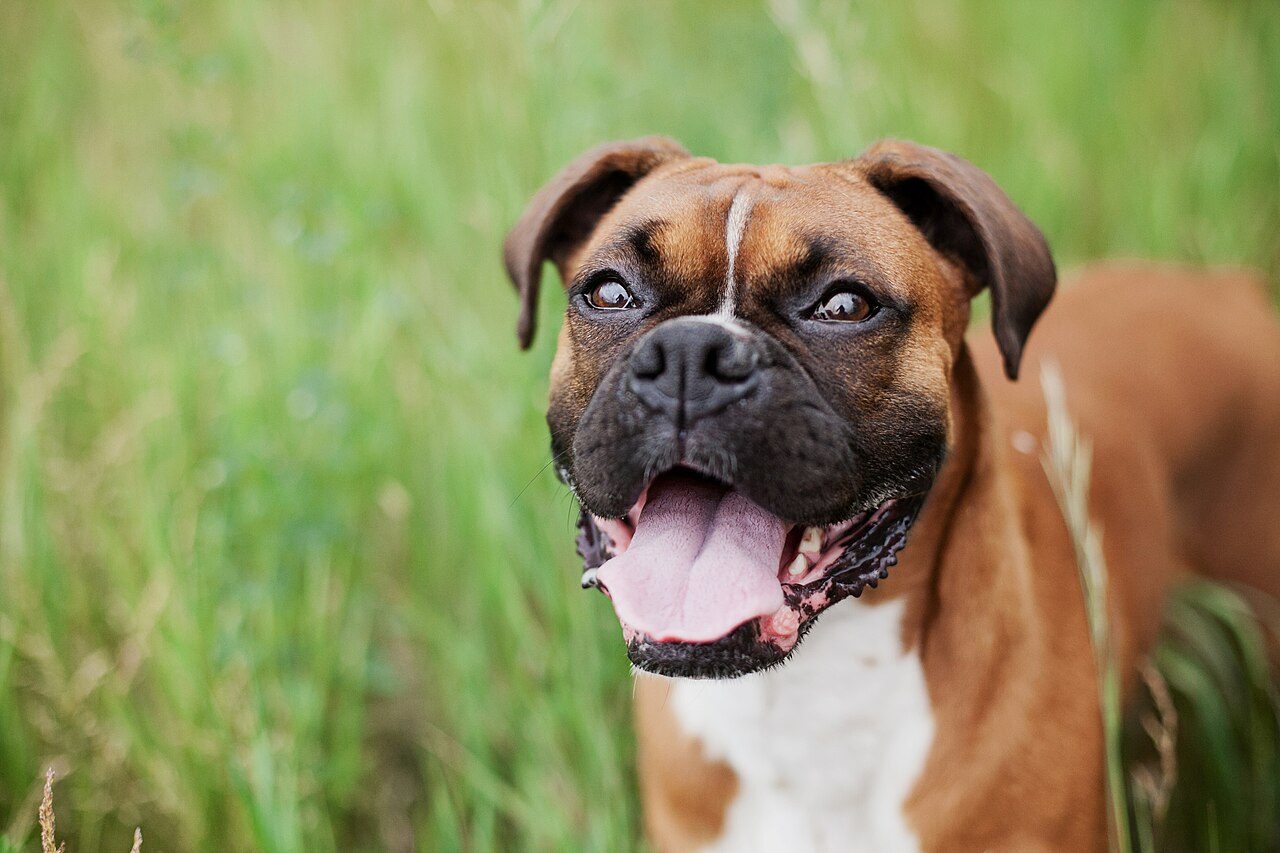
Flat-faced breeds is a special case. They have a difficult time cooling down, so the less speed and shorter time can help them.
Turn the Dog's Body into Your Speedometer
The dial shows you a number but your dog shows you the truth. A right-sized speed looks like this: relaxed shoulders, a loose tail, a soft mouth, paws landing in the middle of the belt. The dog appears nearly bored. Boredom is a compliment here.
Wrong speed is audible. Paws are on the front edge. The dog is hanging back, or drifting towards the rear, as if to exit through the door. Dog starts panting within a minute. Ears go back. Some dogs are bouncing their back legs, as if the belt is hot.
Any of those and you take the speed down a notch. Not two notches, one. Sooner or later you change something. Then wait thirty seconds and see what happens. Small moves are the way to see cause and effect.
Give the Talk Test a try! Dog Style
One tip I have is to talk to the dog normally, happily, while the belt is running. If they're able to check in, wag a bit, and stay at the same pace, it's an easy day. If they're staring at the floor with a tense jaw while giving you the stare, they're taking a nap.
I remember a friend of mine who used to live with her dog. She would ask him during training, "Want a treat?" and within seconds he'd be racing towards her from the other end of the house, eager to earn some kibble. But that time, he didn't move an inch.
Set Up A Basic Trial Workout
Don't wing it. Use a short script.
Begin the belt on your lowest setting. Walk it for thirty seconds. Search for the cues from above. If your dog seems relaxed, increase the speed by a tenth of a mile per hour and walk another thirty seconds. Continue until you begin to observe the earliest indications of work, like shorter strides or soft panting. Then step it back by one increment. This is your initial speed for the week.
Imagine you're tuning a string on a guitar, you turn the thumb wheel slowly – and you stop before it snaps.
On paper. A little reminder on your phone prevents you from having to remember, which is notoriously unreliable when the dog is looking at you. Then next session, start back at that number and not go so far ahead.
Adjust Over Time, Not Mid-Session
Once you've established a baseline, hold off on tinkering too much. Leave it alone for a few more sessions. Dogs learn to overcome fear of repetition, and frequent adjustments feel like someone is pulling the rug out from under them.
About a week in or so, slow it down a little bit more if your dog still seems relaxed. Only adjust the speed or time for that one day, never both. Believe me, because that's how regressions begin.
Also, off days are bound to happen. A dog who moved at 1.2 mph on Monday may want a 0.8 on Friday after a long week of zoomies. Don't take it personally. Dogs have moods, joints can be achy, and weather can impact energy like it does for us.
Consider the Surroundings and the Machine
Not all belts are the same. An inexpensive treadmill with a rough, kicking motor may hesitate at slow speed. This startles a dog even if the screen reads correctly. Run the belt before taking your dog out on it. Does it purr along at 0.5 mph, or does it cough up a lung? Pay extra for smooth performance at low speeds. Before buying, ask the vendor for the lowest speed; many list it in the small print.
Noise is important as well. A motor that squeals when you're running it at slow speed can frighten a dog that's sensitive to sounds. Place a rubber mat on the floor, keep the environment quiet and allow your dog to become familiar with the noises before you use it.
Know When to Stop and Go Back
Let go of the belt if your dog resists, freezes or tries to leap off-that's a no! Halt the belt immediately and treat for stepping off. No scolding. No dragging back onto the belt. Repeat what was successful (for example, standing on a stopped belt) and go forward from there.
Progress is not a straight line. We have had many a dog spend weeks at a crawl before they are comfortable, and that is OK. Dogs that feel safe at 0.6 mph are a thousand times better than a dog that had to be sped up to 1.5 and now hates the machine. Slow wins this race.