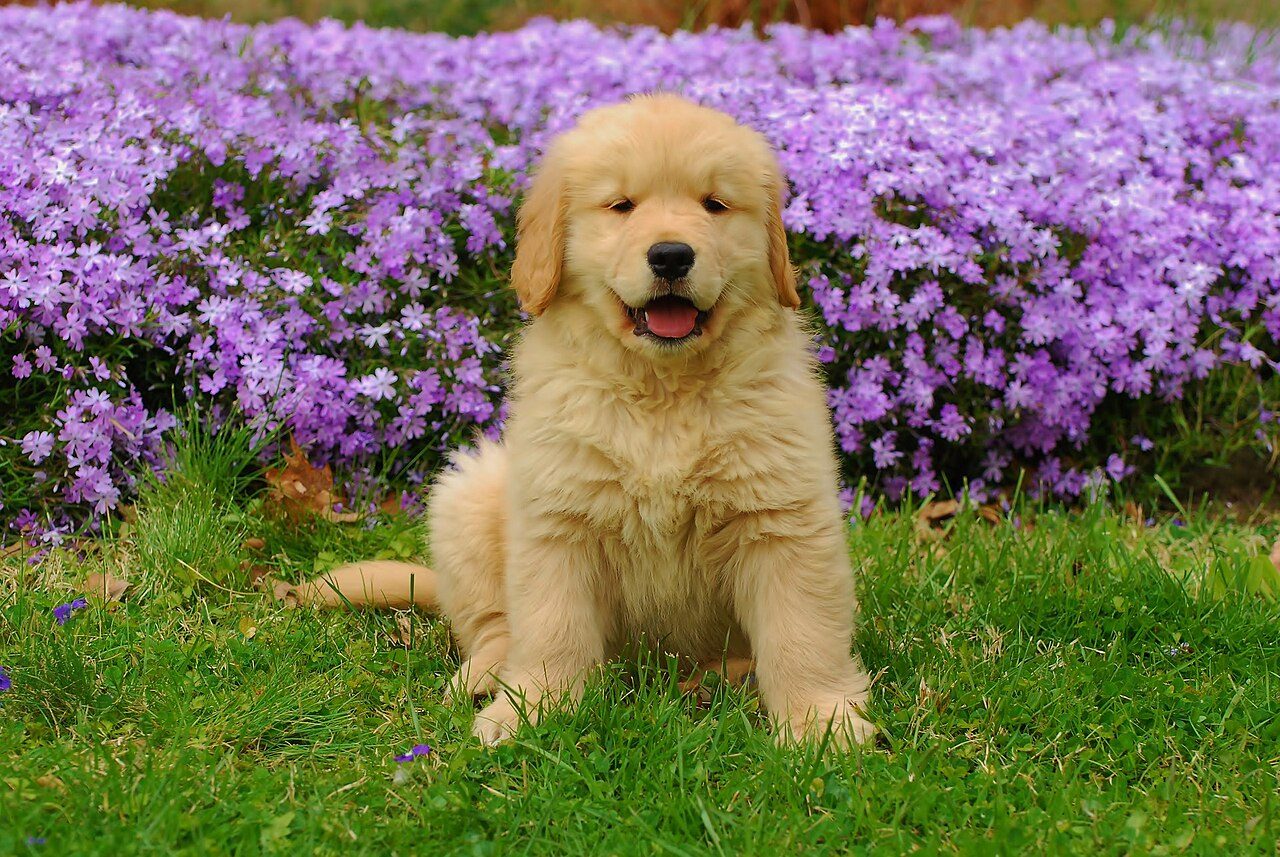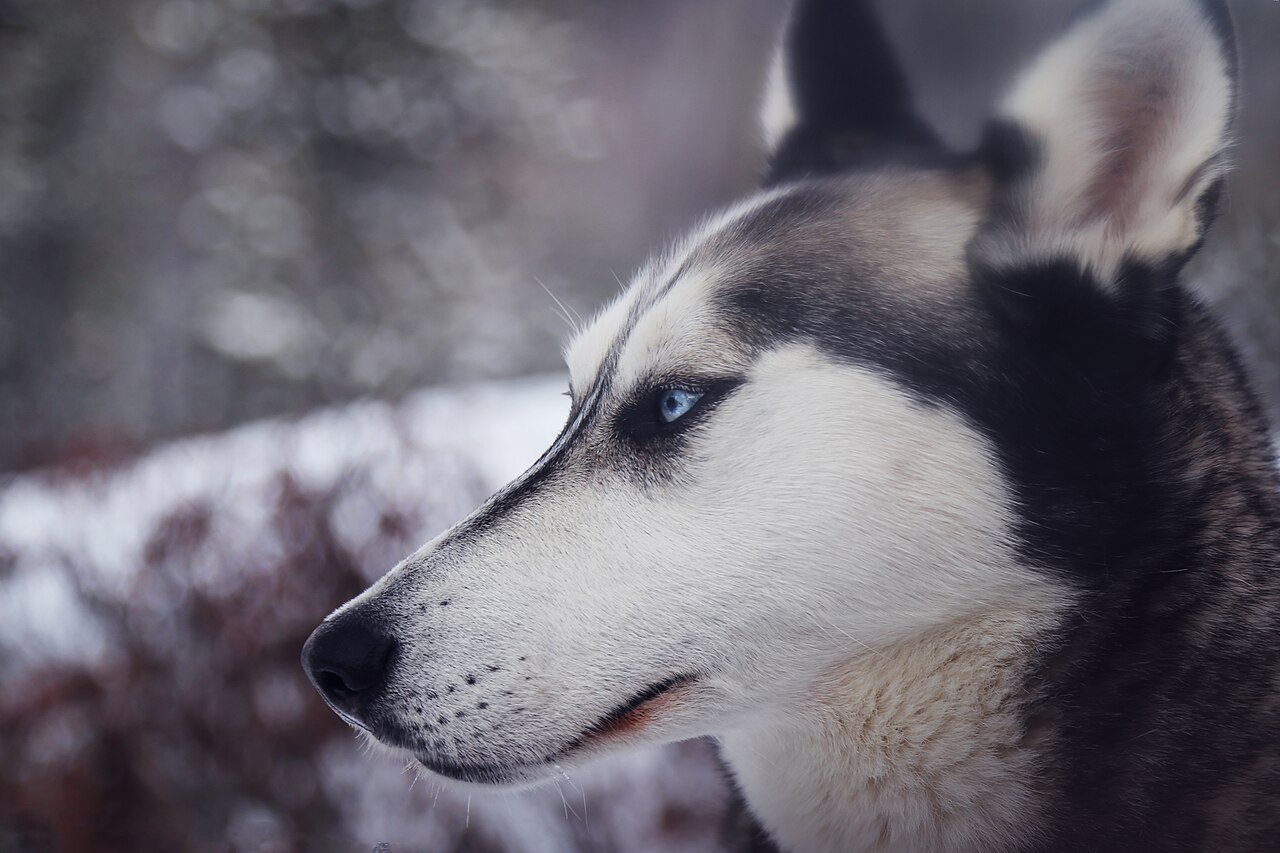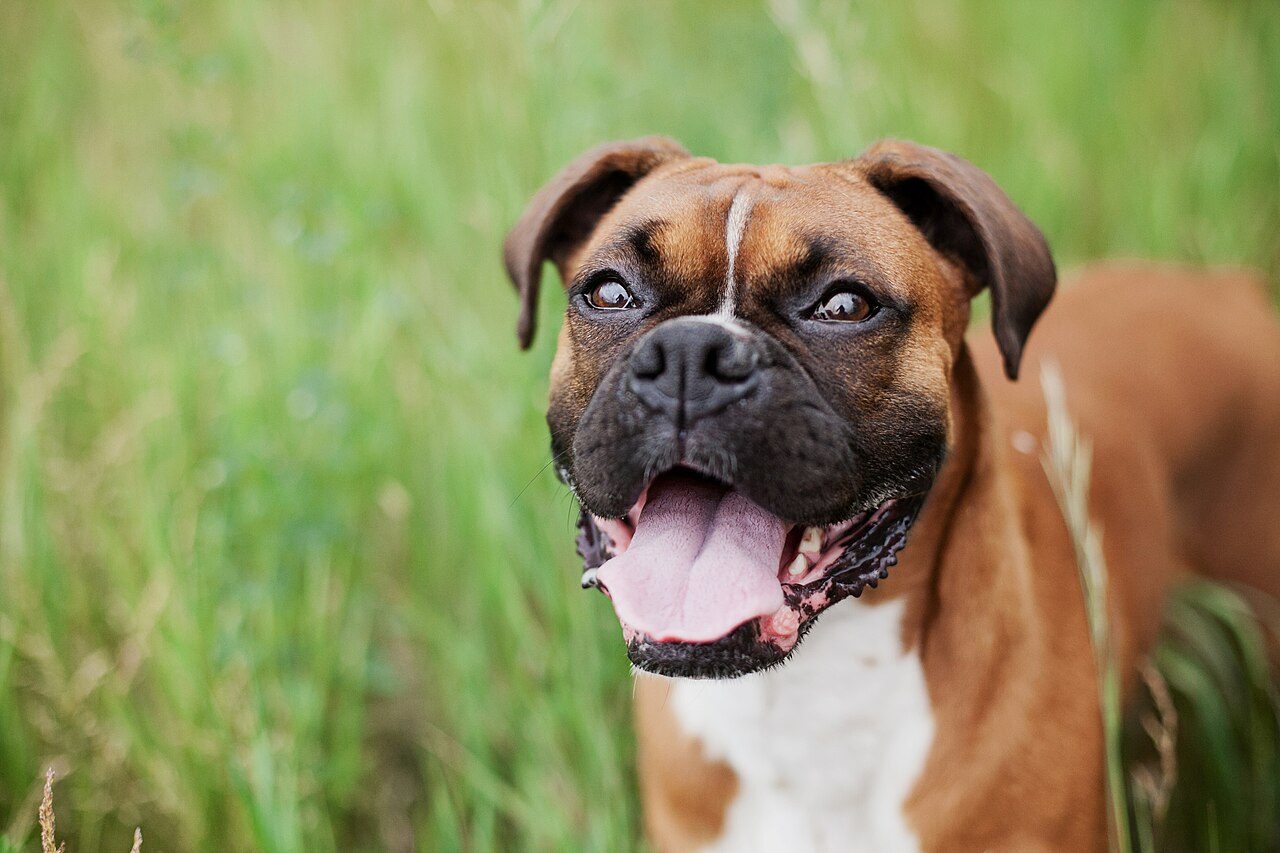
Having a large dog is like having a small horse. That sofa is theirs now. Your shoes have been relocated. And whenever the weather gets nasty, that endless spring of energy is hunting for a place to blow off steam, and more often than not, it's the curtains. A treadmill can help with that but the best pet treadmill for dogs doesn't resemble the tiny clip-ons commonly featured in online classifieds. Here's a discussion on what's truly built to last.
Weight capacity comes first, always
Disregard for a moment the colours and the gadgets. Now take note of the maximum load rating.
That's a sixty-kilo mastiff walking on a treadmill. It's a sixty-kilo mastiff arriving. Now put some inertia into that mastiff (a lunge towards that passing squirrel, for example), and those forces on the deck could easily be far greater than that mastiff's actual mass. So add your pooch's weight to this hypothetical buffer zone (minimum thirty percent), and if the spec sheet claims a hundred kilos and your pooch's currently at ninety, walk away.
Verify what method the producer uses to determine that figure as well. Some will cite an average human with a steady gait that means nothing if you want a Rottweiler in a rush.
The belt must be that long. Longer than you think
Moving a big dog is a full-body affair. A loaded down shepherd's trot appears sluggish, consuming a ton of work in the process, while a Dane running full throttle will track across a small room.
Short belts require them to walk with a jog-like, tense gait. That's bad for the dog and rough on their shoulders and hips after months of use. From the front of the chest to the base of the tail, this needs to be a little longer than the belt so their back legs can stretch out behind.
The deep-chested retriever requires space on each side of the paws. The belt is too narrow if elbows bang the rails, period.
Driving force: where affordable gearwheels lost the plot silently
Something nobody tells you about in the slick pictures. A feeble engine struggles to carry a hefty creature, gets hot and begins to act like a cranky old tractor.
Seek a continuous-duty motor rating, not the peaking one manufacturers love to flaunt. Continuous power is what you get during a thirty-minute workout. Peak power is what you get for a four-second ride on a good day.
A big dog also needs a motor that won't stop when he does or try to make him stumble. A belt jerked over a surprised bloodhound can turn him off forever, and trust me, you'll be bribing him back with sausage for three weeks.
Frame, deck and the wobble test
The frame is everything. Thick steel, broad feet, a robust foundation – so the thing doesn't rock back when your dog leans on it. In the store, give it a good jiggle. Online, read the reviews and if you encounter the word "wobble" on more than two occasions, pass on it.
Don't forget about the deck. A shock-absorbing and cushioned deck will keep your pup's joints healthy, especially if he has a predisposition for hip issues. Just ensure it's not so soft that it feels like you're trying to run on a trampoline.
Grip completes the pair. A rough surface allows claws to grip without tearing the belt. Slick plastic turns every session into an ice rink tryout.
Safety features you really shouldn't skip
Large dogs result in large problems. A fifty pound dog running out of control on an accelerating belt line means serious problems.
Choose side rails or full enclosures extending above the shoulder line. Get an emergency stop that can be operated while walking, with a tether or pull-cord that actually pulls. And choose a model with a slow start because an elephant plodding along needs a little time to decide what is going on down there.
Never leave your dog alone on it. Not for the doorbell, not for the kettle, for nothing.
Noise and space, the practical bits
Big treadmills are, obviously, big. Knowing the size of your room will help when you are looking. There needs to be space behind the machine (at least one metre), big dogs will leap off backwards in all sorts of strange ways.
Noise is another stealthy nuisance. A grinding motor will scare a timid giant breed more quickly than a clap of thunder. Seek smooth bearings, a brushless motor and a belt that doesn't flap. If you're above someone, put a thick rubber mat on the floor beneath you and thank yourself later.
Which large dogs benefit most
All working and sporting breeds, such as shepherds, retrievers and pointers, can be treadmill fans as they require daily, controlled exercise. Just thirty minutes can help a dog who otherwise comes in to help with the decorating.
Yes, but always under supervision by a veterinarian. Controlled, low-impact walking can have some real value in rehab. Doing so without the supervision of a professional is a gamble.
There are a few breeds that can handle a little less. The more fragile giant breeds (wolfhounds and mastiffs) need shorter, more gentle sessions. Short-nosed biggies get too hot too soon. And puppies of all sizes, especially those still growing giants, should put treadmill workouts on hold until a vet confirms their bones are mature.
Introducing the machine without a meltdown
My brother's Newfoundland refused the treadmill for nine days. Nine. He'd be up against it, staring at it, and walking away with his head high.
What did in the end the trick was patience and cheese. The machine remained silent. The treats arrived on the belt. A paw arrived. Then two. And then the dog jumped on top, looked as if he'd been had, and was lauded.
Ease into it. A few minutes at the lowest setting, with you right there, mood off. If they dig their heels in, step back and give it another day. Pushing a frightened giant is like butting heads with a boulder, and the boulder always wins.
Keeping it running smoothly
Big dogs equal big clean-up. Wipe the belt and clean up excess hair that gets around the motor housing after every session, particularly if your dog drools like a boss. Keep the belt lubricated, as directed, by the manual, and inspect the rails and bolts monthly.
Check the belt position. A hefty dog may shift it out of position, and a distorted belt makes the noise of a cat in a washing machine.
Budget, honestly
Heavy dogs demand tougher equipment. That's just physics. Bigger motors, thicker frame, longer belts. A cheap, poorly-constructed unit won't last a year with a hundred pound dog on it, and you'll get to pay for it all over again.
Before you purchase, determine the warranty on the motor and frame, whether replacement belts are simple to purchase, and discover the return policy. Your dog is the ultimate judge, and he can be brutal.
A treadmill is not a substitute for a sniff-heavy, lamp-post-hopping walk your dog loves. Consider it a backup for a rainy day, as a rehab tool, or when life interferes with walks. If you think of it that way, a treadmill can be a great thing. A tired Labrador is a polite Labrador, and your curtains will thank you.