
Imagine this. Your dog finally makes his way down the belt, wagging away happily, and then your treadmill engine screams like a haunted staircase. Your dog takes a right. Your neighbor pounds the wall. No one wins. If you're in an apartment, or you live somewhere with weird floors, your best pet treadmill for dogs isn't going to be the one with the most elegant control panel, but instead the one with the quietest one. We show you how to choose.
Why Noise Matters More Than You Think
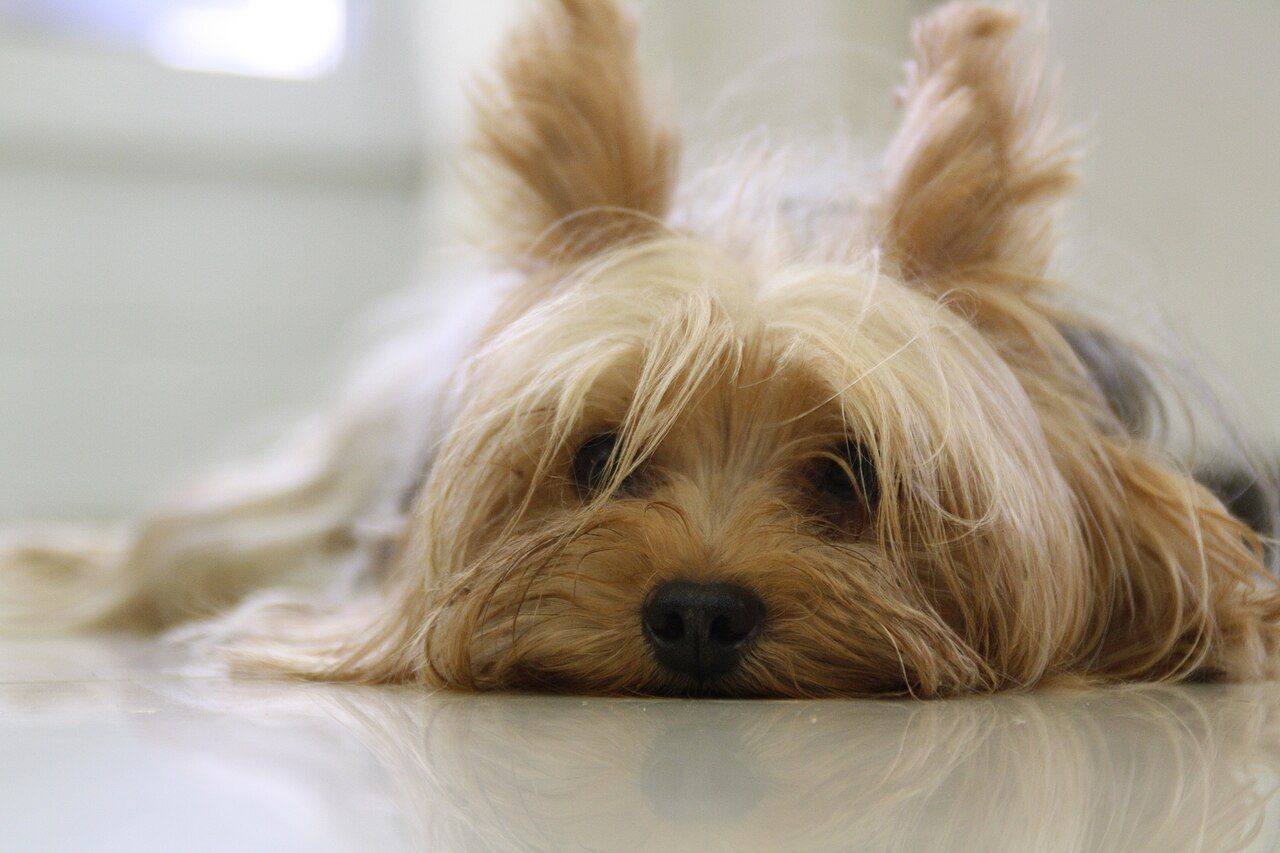
Dogs' hearing is orders of magnitude better than ours. What might register as a nice, low level hum to us could be painfully loud to a canine. With their spectrum of hearing going into a higher frequency, the motor whine, belt slap and rattling panels are deafening.
Fear lingers. One loud, frightening ride can transform a dog who was happy to do a treadmill into a treadmill-a-phobe for months. Quiet is not a luxury feature. It's the difference between a treadmill that your dog uses and a giant, clumsy shelf.
The human element. Walls between us, noise from sleeping infants, the gym early in the morning, a work conference call. The loud treadmill that causes enemies.
Where the Racket Actually Comes From
Before you shop, know the culprits.
The most obvious. Cheaper units have small motors that are under stress and whining at low speed. The better ones run quietly at a slow velocity.
Even a slightly loose or misaligned belt has a tendency to slap the deck with every step. That rhythmic thwack drives everyone (including the dog) crazy.
The devious one is frame vibration. Thin sheet metal and loose fasteners vibrate as if coming from a bag of parts. The flooring is all that stands between you and the worst vibration and rattle of all, wood or laminate flooring over a hollow space.
CLACK on a hard surface. A soft belt cushions that sound quite a bit.
Noise Angle, Motorized Vs. Manual
We all love a manual machine-without a motor, it's typically the soundest to operate. The only noise is the mellow sound of the belt rolling and your dog's paws. If your dog has the power to move it, this one is a good choice.
Motorized units can be extremely quiet or have the noise comparable to a blender with rocks. Pay attention to the motor as well as the performance of the unit at slow speed – this is where most dogs will be.
Small or senior dogs typically require a motor. If so, look for one that is low-noise and check out reviews from actual users.
What You Need to Look For on a Spec Sheet
Most of the marketing pages are filled with big words. Don't bother to pay attention to those and just take a look at some core stuff.
Motor type. Brushless motors are generally smoother and quieter than most old-fashioned brushed types. (If it's not stated in the listing, ask the seller).
Decibels. Some manufacturers provide a decibel rating. If they offer something close to the decibel level of a hushed exchange, that's the best indicator. If they don't provide any number at all, that should raise a red flag.
Belt building. Multi-layers belts take impact with a reduction of slap. Single thin layers there will be a boom.
Roller good quality. Strong, well balanced rollers smooth to roll. Cheap rollers grind.
Frame weight. Heavier frames tend to be less affected by vibration. A flimsily built machine will shake like a leaf in the wind.
Protection from shocks. Soft under decks. Area under the decks absorbs shock sounds while taking pressure off the dog's joints. Double-win.
Reading Reviews Like a Detective
Ratings are completely useless for noise. Quiet is different things to different people.
Search reviews for terms such as "noisy," "squeak," "rattle," and "whine." Then look at how long the owner has had the machine. Many treadmills are quiet in week one and start moaning by month three – often because nobody ever lubed the belt.
Pay particular attention to the comments from those who rent apartments. They perceive noise the way a hungry cat perceives an open can of tuna fish.
Preparations for Silence
Your great machine can also get loud. And a bad setup can make it worse. Here's how to solve that with just a few clicks.
Place a heavy rubber mat beneath it. This cushions vibration that could be transferred to the floor. Gym mats are effective, as are solid foam tiles.
Level the machine. A crooked base causes rattling and rattles that even the best motor can't explain. Check to see if the machine has levelers and adjust them.
Choose the right room. Any room over a garage or a ground-floor room will beat the upstairs bedroom. Even a corner out of loud neighbors' wall is better.
Bump up the bolts. All of it becomes loose over time. Check them with a simple wrench once a month.
Keeping It Quiet Over Time
Today's silent machinery can go loud in a year if you neglect it.
Schedule your belt to get lubed. All the way to the kitchen oil is not a handy lubricant. Don't forget to brush off any dust and pet hair from around the rollers because a fur-stuffed machine is a strained, squealy one.
Maintain the belt's tension and alignment. A belt that wanders will touch the sides of the pulleys and emit squeals. This can usually be easily corrected by an owner with a couple of turns of an adjustment bolt (consult your owner's manual).
Keep the unit in a dry place. The moisture causes rust. The rust causes squeaky.
Helping a Nervous Dog Adjust
Even a REALLY quiet machine can freak out a sensitive dog. Everything new is frightening. That's just dog logic.
Start with the treadmill turned off. Let your pet investigate, lick and walk on and eat a treat on the treadmill. Then turn it on to the slowest speed while you walk next to the dog. Click or reinforce all calm moments.
Play soft music in the background if the sound continues to bother them. It may sound silly but it does work with many dogs. Limit the duration at first. Five minutes of practicing is better than twenty minutes of panic.
Don't ever walk off and leave your dog on the belt. Never. Stay right there, and keep your hand on the stop switch.
A Few Dealbreakers
Some red flags should send you running.
No emergency stop. Skip it.
Name slick belt surface. The slipping causes fear more rapidly than any sound.
Too light weight limit. Taking the load overloading requires work, and work is racket.
A bumper is a bump or a thump. Tiny belt. If your dog is unable to step naturally, he or she will crawl, and crawling is quite loud.
Undescriptive return policy. Because you can't hear the noise online, you want a decent shot at getting your money back if the washer is a screamer.
Budget Thoughts
Quiet pays a little extra. That's just the way it is. Entry level manual models are a few hundred dollars, while decent motorized can be in the mid to high hundreds and above.
Should you pay the premium? If you're sharing walls with the neighbours, yes. If you have a detached garage and a dog that is so thick-skinned nothing bothers it, then you can be more flexible.
A silent machine is better than a cheap one that coughs like a lawnmower on its last leg by next year.
Try it out yourself, if possible. A quick trial will teach you much more than a dozen product descriptions. And when you finally come upon the right one, you'll be treated to the sound of a good machine: nothing.